
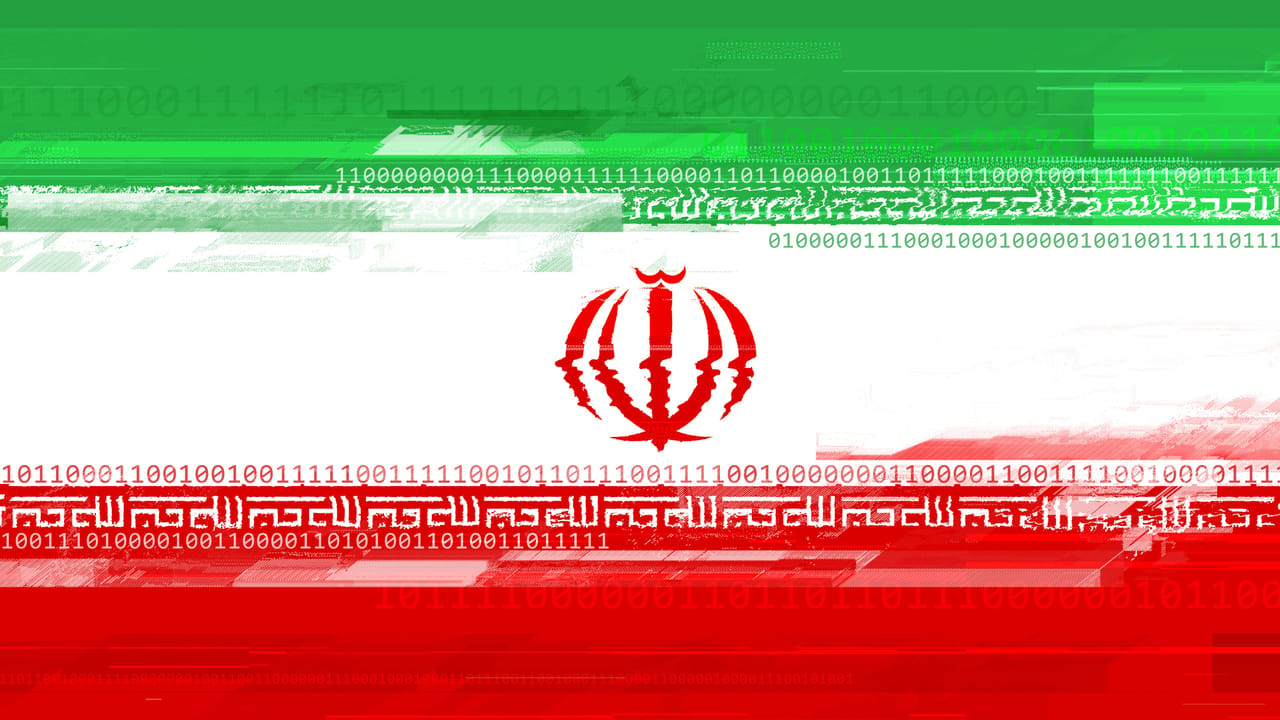
Cyberattacks Continue Despite Ceasefire: Why Digital Wars Are Different
Iran signed a ceasefire, but its hackers kept attacking. This reveals a gap in international rules that affects how future conflicts could impact civilians.
Source
Dark Reading
Original headline: Iran Signed a Ceasefire — Its Hackers Didn't
Plain-English summary by GetCyberRight. Read the full report at the source above.
When countries agree to a ceasefire, the shooting stops, but cyberattacks often continue. Iran recently signed a ceasefire agreement, yet hackers connected to Iran kept launching digital attacks. This happens because current international laws, including the Geneva Conventions, do not clearly address what happens to cyberwarfare when traditional fighting stops. There is a major loophole in how the world handles conflicts in the digital age. This issue affects families because cyberattacks on infrastructure can disrupt electricity, water, hospitals, and banking systems that we all depend on.
While this specific situation involves Iran, the legal gap exists for all countries. Future conflicts could leave civilians vulnerable to digital attacks even when military combat has ended. The uncertainty makes it harder to know when families are truly safe from conflict-related disruptions. For most families, there is no immediate action required from this specific news. However, you should prepare for the possibility of infrastructure disruptions:
- Keep emergency supplies at home, including water, flashlights, batteries, and cash.
- Know how to access important information without internet, such as keeping paper copies of emergency contacts and medical information.
- Sign up for local emergency alerts from your city or county.
- Have a family communication plan that does not rely solely on internet or cell phones. Long-term digital safety means building resilience against all types of disruptions. Do not depend entirely on digital systems for critical needs. Keep some cash at home in case payment systems go down. Maintain paper records of important documents. Stay informed about local emergency preparedness resources. While most cyberattacks target governments and businesses, preparing for potential disruptions to essential services protects your family no matter what causes them.
Curated from trusted cybersecurity sources by GetCyberRight
Source: Dark ReadingStay ahead of cyber threats
Get our free weekly digest. Real threats, plain language, what to do about them. No spam, ever.
More articles

Microsoft Pulls 73 Code Libraries After Hackers Plant Password Stealers
Microsoft removed dozens of its own code repositories after attackers secretly injected malware designed to steal passwords and personal information.
3 min readMicrosoft's Own Code Repositories Hacked: What Families Need to Know
Attackers injected password-stealing malware into 73 Microsoft GitHub repositories, highlighting new risks in how software reaches your devices.
3 min read
Microsoft's GitHub Accounts Hacked: What Families Need to Know
Hackers compromised 73 official Microsoft repositories on GitHub to spread password-stealing malware. Here's what happened and how to protect yourself.
4 min read
Encrypted chats expose Kosovar organised crime network behind EUR 80 million criminal empire
Messages exchanged on the encrypted communication platform SKY ECC have exposed a Kosovar-based organised crime network in large-scale drug trafficking, the use of fraudulent IDs, illegal possession o
1 min read