

Aflac Japan Breach: What 4.38M Stolen Records Mean for Your Family
A 10-day detection gap allowed hackers to steal banking details from 4.38 million Aflac Japan customers. Here's what families need to know and do right now.
Source
GetCyberRight Intelligence
Original headline: Aflac Japan Breach: 4.38M Records, 10-Day Detection Gap
Plain-English summary by GetCyberRight. Read the full report at the source above.
What Happened at Aflac Japan
Hackers stole personal and banking information from 4.38 million Aflac Japan policyholders through the company's customer portal. The breach ran undetected for ten consecutive days before security teams noticed something was wrong. This wasn't a sophisticated attack using unknown vulnerabilities. It was a monitoring failure that gave criminals over a week of unfettered access to sensitive customer data.
The Details: How This Breach Unfolded
Aflac Japan operates one of the country's largest supplemental insurance platforms. Attackers gained unauthorized access to the policyholder portal, a system customers use to manage their insurance policies and payment information. For ten full days, the breach went unnoticed while hackers extracted customer records containing names, addresses, policy details, and banking information.
The ten-day detection gap is the most alarming part of this incident. Modern security systems should flag unusual data access within hours, not days. This extended window gave attackers ample time to copy millions of records and cover their tracks. It also suggests that Aflac Japan's monitoring systems weren't adequately configured to detect bulk data extraction.
The stolen banking information creates immediate fraud risks. Criminals can use these details to attempt unauthorized transfers, create fake accounts, or sell the data to other bad actors. Insurance records also contain deeply personal information about health conditions and financial status that can enable targeted scams.
Who Is Affected
If you or family members hold Aflac insurance policies in Japan, your information may be compromised. This includes current policyholders and potentially former customers whose data remained in the system. The 4.38 million affected records represent a significant portion of Aflac Japan's customer base.
American families with connections to Japan should also pay attention. Military families stationed in Japan, expats working abroad, and anyone with Japanese insurance coverage through Aflac could be in this dataset. The banking details stolen could connect to international accounts or services.
What You Should Do Right Now
Contact your bank immediately if you have any payment method connected to an Aflac Japan policy. Request enhanced monitoring on those accounts and consider changing account numbers if possible.
Stay one step ahead of scammers
Weekly cybersecurity briefings for families. No spam, just the threats that matter and what to do about them.
Enable transaction alerts on all banking and credit accounts. Set them to notify you of every transaction, no matter how small. This creates an early warning system for fraudulent activity.
Watch for targeted phishing attempts. Scammers now have your real policy information and can craft convincing emails or calls pretending to be Aflac. Verify any contact by calling official numbers directly.
Check your credit reports for new accounts or inquiries you didn't authorize. In the US, visit AnnualCreditReport.com for free reports from all three bureaus.
Document everything. Save any notifications from Aflac Japan about the breach. Keep records of time spent responding to fraud. This documentation matters if you need to dispute charges or seek remedies.
The Bigger Picture: Why Detection Speed Matters
This breach highlights a critical truth about modern cybersecurity. The most dangerous vulnerabilities aren't always technical flaws. They're organizational failures in monitoring, alerting, and response. Ten days is an eternity in breach time. Companies handling your sensitive data must have systems that detect abnormal activity within hours. When they don't, millions of families pay the price through fraud risk, identity theft concerns, and the exhausting work of damage control.
How GetCyberRight Can Help
You can't control whether companies protect your data properly, but you can know when breaches happen. Our Breach Monitor tool continuously tracks whether your email address appears in known data breaches and immediately alerts you to new exposures. It provides the early warning system that Aflac Japan's customers deserved but didn't get. When your information appears in a breach database, you'll know quickly so you can take protective action before criminals strike. In an environment where detection gaps can last ten days or longer, having your own monitoring layer isn't optional anymore.
Curated from trusted cybersecurity sources by GetCyberRight
Source: GetCyberRight IntelligenceStay ahead of cyber threats
Get our free weekly digest. Real threats, plain language, what to do about them. No spam, ever.
More articles
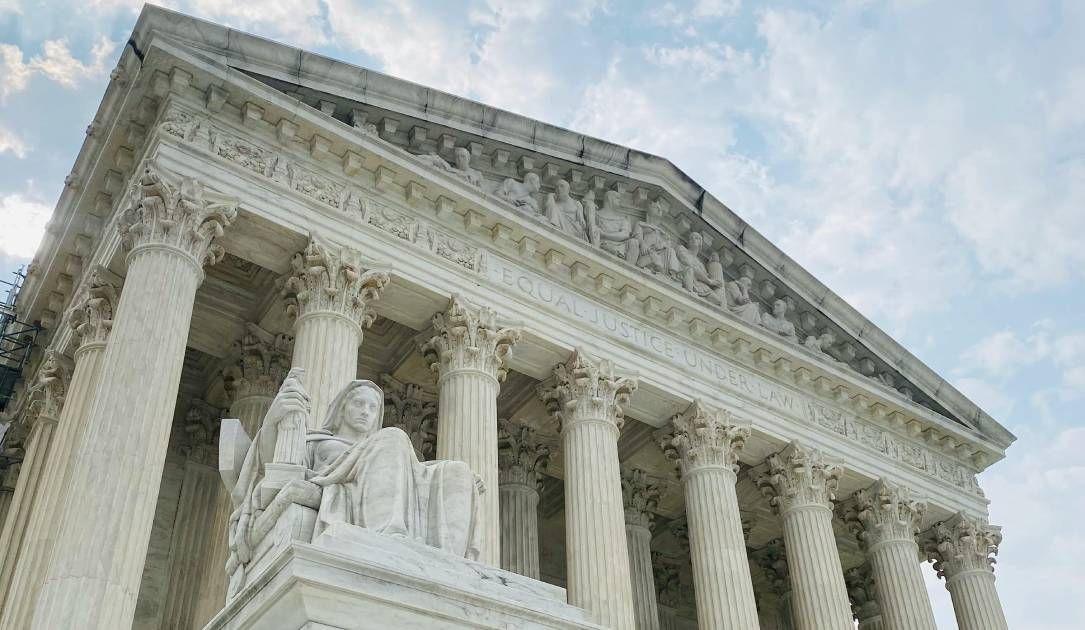
Police Now Need Warrants to Track Your Phone's Location History
A major Supreme Court ruling protects your family's privacy by requiring warrants before police can access geofence location data from tech companies.
3 min read
New 'Djinn' Hacking Tool Targets Business Cloud Accounts
Hackers are using a new tool to steal cloud and AI system login credentials from businesses through a flaw in remote support software called SimpleHelp.
2 min readNew 'Djinn' Malware Steals Login Credentials from Business Tools
A new type of malware is stealing passwords from cloud services and AI tools that businesses use. It targets work accounts that could give hackers wider access.
2 min readNissan Employee Data Breach: What Workers and Families Need to Know
A zero-day attack on Nissan's Oracle software exposed employee data. Here's what affected workers should do right now to protect themselves.
4 min read