

AI Coding Tools Are Creating a New Security Blind Spot
AI coding assistants are generating hidden digital identities that traditional security systems can't track, creating new vulnerabilities in workplace and family technology.
Source
GetCyberRight Intelligence
Original headline: AI Agents Creating Identity Security Gap
Plain-English summary by GetCyberRight. Read the full report at the source above.
The Hidden Security Problem in AI Coding Tools
AI coding assistants like GitHub Copilot and ChatGPT are helping people write software faster than ever. But these tools are quietly creating a serious security problem: untracked digital identities that slip past traditional security monitoring. This gap is growing fast, and it affects more than just tech companies.
The Details: What's Actually Happening
Here's what's happening behind the scenes. When a developer uses an AI coding assistant, that AI often needs access to company systems, databases, or cloud services to do its job. Each time it connects, it creates what's called a "non-human identity." Think of this like a digital worker that never clocks out.
Traditional security systems were built to track human employees. They monitor when Sarah from accounting logs in, or when Tom from IT accesses the customer database. But AI agents operate differently. They can create dozens of connections in minutes, generate API keys automatically, and access resources without any human directly involved.
The problem is simple but serious: most companies have no idea how many of these AI identities exist, what they can access, or whether they've been compromised. It's like having workers in your building without badges, security clearance, or even names in the system. Identity governance tools, the software that tracks who has access to what, weren't designed for this new reality.
Who Is Affected: This Impacts More Than Tech Workers
If someone in your household works remotely or uses AI tools for their job, this affects your family's security. These untracked identities can become entry points for cybercriminals. A hacker who compromises one AI connection might access company data, customer information, or internal systems.
Small business owners face particularly high risk. Many are adopting AI tools quickly without IT departments to manage the security implications. If your family runs a business or freelances using AI assistants, you're creating these digital identities whether you realize it or not.
What You Should Do Right Now
Ask your employer or IT department if they have a policy for AI coding tools and how they track non-human access. If you're a business owner, start this conversation with any IT support you use.
Stay one step ahead of scammers
Weekly cybersecurity briefings for families. No spam, just the threats that matter and what to do about them.
Review what AI tools have access to your work accounts. Check connected apps in Google Workspace, Microsoft 365, or any business platforms you use. Remove any AI connections you don't recognize or no longer need.
Never give AI tools access to sensitive personal information like family financial data, health records, or identification documents, even if it seems convenient for a task.
Use separate accounts for AI experimentation. If you're testing AI tools for work, create a dedicated account that doesn't have access to critical systems or data.
Enable two-factor authentication everywhere possible. This adds a layer of protection even if an AI connection gets compromised.
The Bigger Picture: Why This Matters for Families
This identity security gap is part of a larger shift: technology is moving faster than security practices can adapt. AI agents represent a fundamental change in how software gets built and how systems connect. Staying informed about these emerging threats helps families make smarter decisions about the tools they bring into their homes and workplaces. The companies that solve this identity problem quickly will be safer places to work and do business.
How GetCyberRight Can Help
Our Cyber Threat Radar tool tracks exactly these kinds of emerging AI-related security threats, including identity governance challenges. It translates complex security developments into clear, actionable information for families. Think of it as your early warning system for the cyber threats that actually matter to your household, not just the headlines.
Curated from trusted cybersecurity sources by GetCyberRight
Source: GetCyberRight IntelligenceStay ahead of cyber threats
Get our free weekly digest. Real threats, plain language, what to do about them. No spam, ever.
More articles
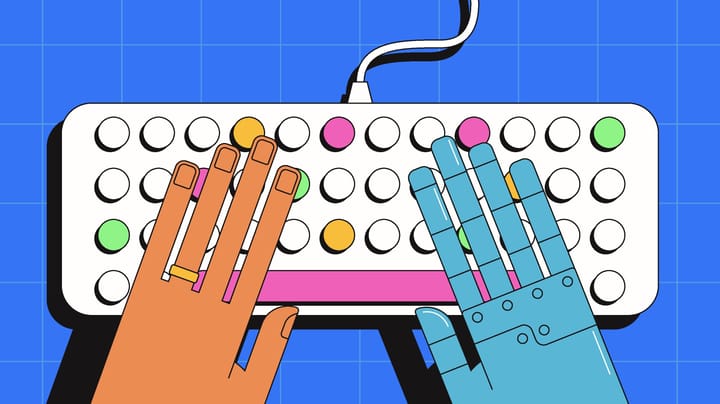
AI Coding Tools Are Creating Hidden Security Bills for Companies
AI coding assistants boost productivity but create expensive security problems most companies haven't calculated yet.
4 min read
Europol Responds to Claims About Police Databases: What It Means for Privacy
News reports claimed Europol operated secret databases outside legal rules. Europol says these claims are incorrect and based on misunderstandings.
2 min readEuropean Police Agency Addresses Database Concerns
Europol responded to online reports about how it manages data, clarifying that claims about improper databases are based on misunderstandings.
2 min read_Pattara_Alamy.jpg?width=720&quality=80&disable=upscale)
Why AI Agents Need Different Security Than Regular Software Accounts
Organizations are treating AI agents like regular service accounts, creating security gaps that could affect your workplace and personal data.
4 min read