
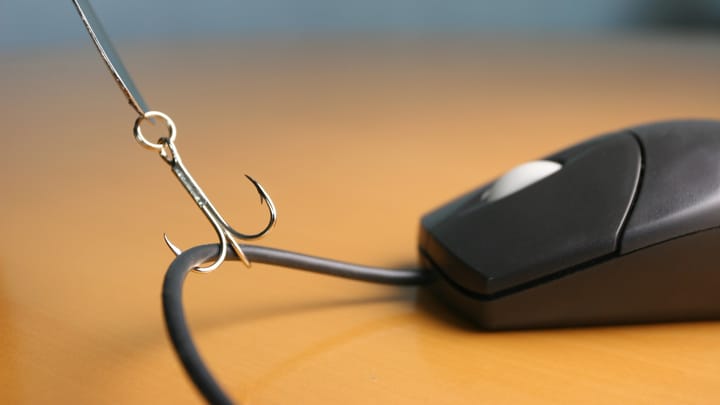
AI Makes Phishing Scams Smarter: What Your Family Needs to Know
Phishing attacks are down 20%, but don't celebrate yet. AI is making each attack more convincing and dangerous than ever before.
Source
GetCyberRight Intelligence
Original headline: AI Phishing: Quality Over Quantity
Plain-English summary by GetCyberRight. Read the full report at the source above.
The New Face of Phishing
Phishing volume has dropped 20% recently, but this isn't good news. Cybercriminals are using artificial intelligence to craft fewer, far more convincing attacks. Instead of blasting millions of obvious scam emails, hackers now send targeted messages that look and sound exactly like the real thing.
The Details: How AI Changed the Game
Traditional phishing emails were easy to spot. They had spelling errors, awkward language, and generic greetings like "Dear Customer." You could delete them without a second thought.
AI has flipped this script completely. Modern tools can analyze your social media posts, your writing style, and even your family connections. Scammers use this information to create personalized messages that mention your actual job, your kids' school, or that vacation you just posted about. The emails now have perfect grammar and match the exact tone of legitimate companies.
The scariest part? AI can generate these sophisticated attacks in seconds. What used to take hours of research now happens instantly. Attackers can impersonate your bank, your child's teacher, or even your boss with alarming accuracy. The success rate has climbed dramatically because these messages bypass our usual warning signals.
Who Is Affected
Every family member is a potential target, but some face higher risk. Parents juggling multiple online accounts for school portals, banking, and shopping receive dozens of legitimate emails daily. This makes spotting a fake much harder. Seniors face particular danger because scammers craft messages about Medicare, Social Security, or urgent "account problems" that sound completely legitimate.
Teens and young adults are also vulnerable. They grew up online and often feel confident about their digital skills. However, AI-generated phishing attacks targeting gaming accounts, scholarship offers, or job opportunities can fool even tech-savvy users. Overconfidence becomes a weakness.
What You Should Do Right Now
Stop and verify before clicking any link. Even if an email looks perfect, go directly to the website by typing the address yourself. Never use links in unexpected messages, even if they mention your name or personal details.
Stay one step ahead of scammers
Weekly cybersecurity briefings for families. No spam, just the threats that matter and what to do about them.
Set up two-factor authentication on every important account. This includes email, banking, social media, and school portals. Even if someone steals your password, they can't get in without that second code.
Create a family code word for urgent requests. If someone texts or emails claiming to be a family member needing money or personal information, verify using your secret word first. Scammers can now fake phone numbers and email addresses.
Question perfection. If an email seems unusually well-written or knows specific details about you, that's actually more suspicious now. AI makes scams look professional.
Talk to your kids and parents about this shift. Make sure everyone knows that convincing messages can still be dangerous. Old rules about "obvious" scams no longer apply.
The Bigger Picture
This trend represents a fundamental shift in cybersecurity threats. We're moving from mass attacks to precision strikes. Staying safe now requires updated thinking: perfection and personalization are warning signs, not reassurances. The tools criminals use will only get more sophisticated. Families who stay informed and maintain healthy skepticism will fare best in this evolving landscape.
How GetCyberRight Can Help
Our GCR Scam Guard tool helps you verify suspicious messages before you click. When you receive an email or text that requests action, paste the link or message into Scam Guard. It analyzes the content, checks the actual destination, and flags common phishing tactics. Think of it as a second pair of expert eyes, giving you confidence before you take that next step. Because in this new era of AI-powered scams, verification isn't paranoia. It's protection.
Curated from trusted cybersecurity sources by GetCyberRight
Source: GetCyberRight IntelligenceStay ahead of cyber threats
Get our free weekly digest. Real threats, plain language, what to do about them. No spam, ever.
More articles

AI Assistants Have a Security Flaw: The OpenClaw Exploit Explained
AI agents can be tricked into running harmful code hidden in everyday files like contact cards. Here's what families need to know about this emerging threat.
4 min read
Your School Records May Have Been Exposed: University of Nottingham Data Breach
The University of Nottingham confirmed hackers stole data. If you or your children attended this university, your personal information may be affected.
2 min readUniversity of Nottingham Students and Alumni: Your Personal Information May Be Stolen
The university confirmed a cyberattack and is contacting affected students and alumni. Personal data may have been accessed by criminals.
2 min read
Why You Might Be Ignoring Important Security Warnings (And What to Do)
Too many security alerts are making people tune them out completely, potentially missing real threats that matter to your family.
2 min read