

AI Threats Still Rely on Your Weak Passwords, White House Confirms
White House cyber officials confirm AI-powered attacks succeed because of poor password habits, not futuristic hacking. The fix is simpler than you think.
Source
GetCyberRight Intelligence
Original headline: AI Threats Still Exploit Weak Passwords
Plain-English summary by GetCyberRight. Read the full report at the source above.
AI Threats Still Rely on Your Weak Passwords, White House Confirms
White House cybersecurity officials recently confirmed something security experts have been warning about: AI-powered threats aren't breaking into accounts with advanced technology. They're succeeding because people still use terrible passwords. While everyone worries about sophisticated AI attacks, the real problem is the same one we've had for years.
The Details
Here's what's actually happening. Cybercriminals are using AI tools to make old attacks faster and more efficient. AI can guess millions of password combinations in seconds, testing common patterns like "Password123" or "Summer2024." It can scan through breached password lists from old data leaks and try those credentials across hundreds of services simultaneously.
But here's the thing: AI isn't magic. It can't crack a truly strong, unique password any better than traditional methods. The technology just makes it faster to exploit weak ones. When someone reuses their password across Netflix, email, and banking, AI tools can find that pattern and exploit it in minutes instead of hours.
The White House emphasis on identity security practices means this: the foundation of protection hasn't changed. Strong passwords, unique for every account, remain your best defense. AI has simply raised the stakes for people who ignore that advice. What used to take hackers days now takes seconds, making weak passwords a critical vulnerability.
Who Is Affected
This matters for every single person with online accounts. If you bank online, shop on Amazon, use social media, or check email, you're a potential target. Families are especially vulnerable because one compromised account can expose everyone. A parent's weak email password can lead to children's information being accessed through connected accounts.
Seniors face particular risk because they're often targeted with credential-stealing scams that AI now personalizes at scale. Small business owners juggling dozens of accounts without proper password management are sitting ducks. Students using the same password for school portals, gaming accounts, and social media create easy pathways for attackers.
What You Should Do Right Now
Check if you're reusing passwords across accounts. Be honest. If your banking password is similar to your email password, that's reuse. Change the duplicates immediately, starting with financial and email accounts.
Stay one step ahead of scammers
Weekly cybersecurity briefings for families. No spam, just the threats that matter and what to do about them.
Create truly random passwords for important accounts. Not patterns you think are clever. Use a password generator to create passwords like "7nK#mP2$vR9qL" that AI can't predict. Aim for at least 12 characters with mixed types.
Turn on two-factor authentication everywhere it's offered. Even if someone guesses your password, they'll need your phone to get in. Enable this on email, banking, social media, and shopping accounts today.
Use a password manager to store everything. You only need to remember one strong password. The manager handles the rest. This lets you use different, complex passwords everywhere without the mental burden.
Replace passwords for any accounts connected to old data breaches. Visit haveibeenpwned.com to check if your email appears in known breaches, then change those passwords immediately.
The Bigger Picture
AI is transforming cybersecurity, but not in the science fiction way most people imagine. Instead, it's accelerating existing threats and punishing bad habits faster than ever. The good news? The solutions that worked before still work now. Strong password practices protect you from both human hackers and AI-powered attacks. As AI tools become more accessible to criminals, the gap between protected and vulnerable users will widen dramatically.
How GetCyberRight Can Help
Our Password Generator tool creates strong, unique passwords designed to resist both traditional and AI-powered attack methods. It takes seconds to generate truly random passwords that would take AI billions of years to crack. Use it every time you create a new account or update an existing password. Strong passwords aren't just good practice anymore. They're your frontline defense against the AI-powered threats already targeting your family.
Curated from trusted cybersecurity sources by GetCyberRight
Source: GetCyberRight IntelligenceStay ahead of cyber threats
Get our free weekly digest. Real threats, plain language, what to do about them. No spam, ever.
More articles
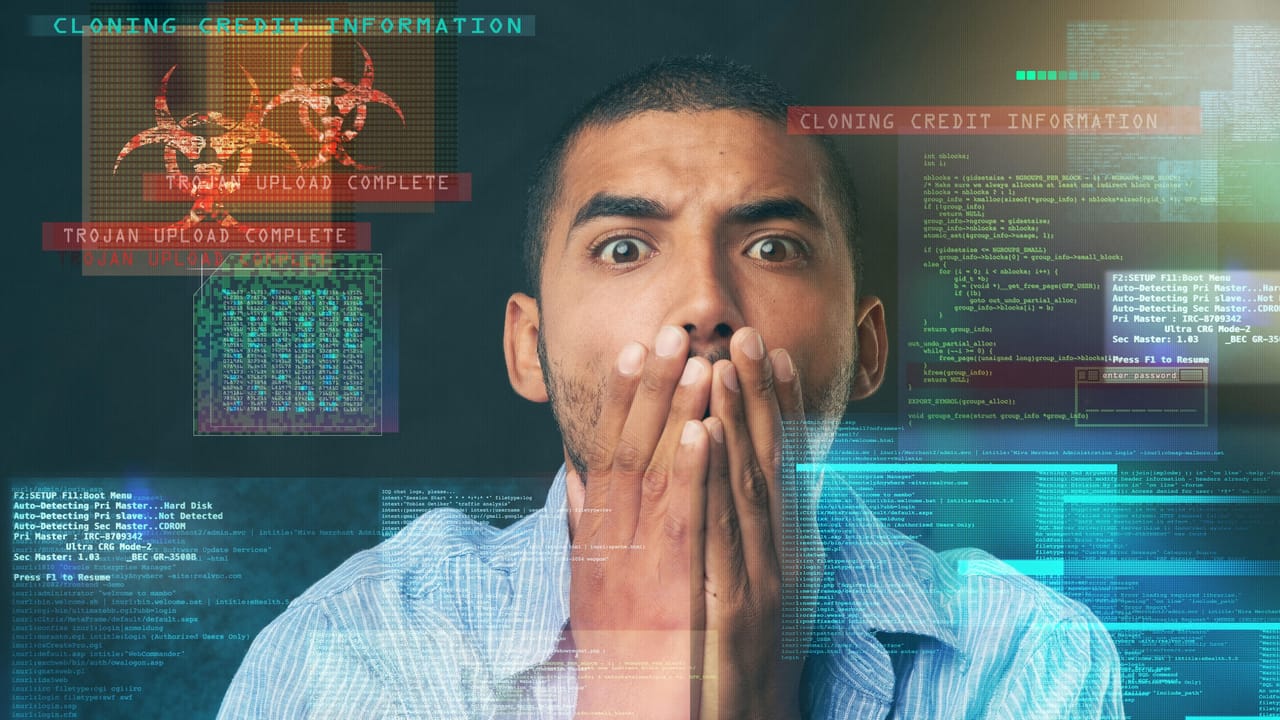
The 'Boring' Security Updates You Can't Afford to Ignore Anymore
AI-powered attacks are now targeting small software bugs that seem unimportant. These overlooked vulnerabilities have become cybercriminals' easiest way in.
3 min read
New Law Protects Kids From Intimate Images Online: What Parents Need to Know
The FTC will enforce a new law requiring websites to remove intimate images of minors within 48 hours. Parents can now report violations directly.
2 min readNew Law Protects Kids from Intimate Image Abuse: What Parents Should Know
The FTC will now enforce the Take It Down Act, which requires platforms to remove intimate images of minors. Here is how this protects your children.
2 min readAge Verification Systems Can Be Fooled. What Parents Need to Know
Some websites use AI cameras to verify ages, but these systems can be tricked with simple disguises like fake mustaches.
2 min read