
Be Careful Who You Trust in a Cyber Emergency
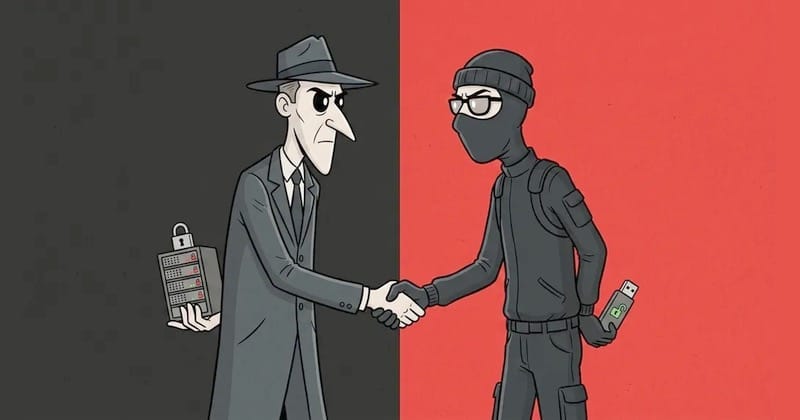
A ransomware negotiator was caught sharing victim information with the criminals. This shows why choosing help during a crisis requires careful vetting.
Source
Graham Cluley
Original headline: The ransomware negotiator who was working for the other side
Plain-English summary by GetCyberRight. Read the full report at the source above.
Companies that fall victim to ransomware attacks often hire specialist firms to help negotiate with the criminals who locked their files. These negotiators are supposed to work on behalf of the victim, communicating with criminal gangs to try to reduce ransom demands and recover data. However, a trusted ransomware negotiator was caught secretly sharing details about victims with the attackers themselves. This included information about the victim's cyber insurance policy and negotiation strategy, which helped criminals demand more money. This primarily affects businesses rather than individual families. However, it matters to everyone because when schools, hospitals, doctor's offices, and local businesses get hit with ransomware, we all suffer the consequences. Longer wait times, exposed personal records, and service disruptions affect entire communities.
When the people supposed to help these organizations are actually working with criminals, it makes the problem worse and more expensive for everyone. Most families will never need to hire a ransomware negotiator directly. However, if your family business or workplace is ever affected by a cyberattack, remember these principles:
- Vet any outside help carefully, checking references and credentials before sharing sensitive information.
- Ask how the firm makes money and whether they receive any compensation from insurance companies or other parties.
- Get multiple opinions before making major decisions.
- Report the crime to law enforcement, even if you also hire private help.
- Document everything that happens and everyone you speak with. The best protection is prevention. Regular backups of important files mean you will never be forced to negotiate with criminals in the first place. Keep at least one backup completely disconnected from your network. Update your software and use strong passwords. Teach everyone in your family to recognize phishing emails and suspicious links. Having good habits means you will never find yourself in a desperate situation where you have to trust strangers during a crisis.
Curated from trusted cybersecurity sources by GetCyberRight
Source: Graham CluleyStay ahead of cyber threats
Get our free weekly digest. Real threats, plain language, what to do about them. No spam, ever.
More articles

Elon Musk's AI Tool Leaked Private Information: What Users Need to Know
If you used Grok Build CLI, your private code and confidential information may have been exposed. The company is deleting all uploaded data.
2 min readElon Musk's AI Tool Leaked Private User Data. Here's What Happened
xAI's Grok Build tool accidentally uploaded users' private code and information to company servers. All uploaded data will be deleted.
2 min read
SonicWall Security Flaws Put Business Networks at Risk
Two security holes in widely-used SonicWall devices were exploited by attackers before fixes existed. Here's what business owners and employees need to know.
3 min read
Microsoft Just Fixed 622 Security Flaws: What Your Family Needs to Know
Microsoft released a record 622 security patches this month, including two flaws hackers are already exploiting. Here's what to do right now.
3 min read