

Claude Code AI Assistant Vulnerability: What Families Need to Know
A security flaw in a popular AI coding tool allowed attackers to hijack projects. Here's what happened and how to protect yourself.
Source
GetCyberRight Intelligence
Original headline: Claude Code AI Assistant Hijack Myth
Plain-English summary by GetCyberRight. Read the full report at the source above.
What Happened
A critical security vulnerability in Claude Code, an AI-powered coding assistant, recently allowed attackers to hijack entire software projects on GitHub. This wasn't just a minor bug. The flaw let malicious actors take control of projects through something as simple as posting a fake issue comment. While the vulnerability has been patched, it reveals important lessons about AI tool security that affect families and businesses alike.
The Details
Claude Code is an AI assistant that helps programmers write and review code automatically. It works through GitHub Actions, which are automated tasks that run when certain events happen in a software project. Think of it like a helpful robot that checks your work whenever you submit something.
The problem was this: attackers could post specially crafted comments or issues on public GitHub repositories. When Claude Code read these comments, it would follow hidden instructions embedded in them. These instructions could make Claude Code change the project in harmful ways, steal sensitive information, or even give attackers complete control.
The vulnerability worked because Claude Code trusted all input it received without proper verification. It's similar to a helpful assistant who follows any note they find, without checking who wrote it. Attackers exploited this trust to insert malicious commands disguised as regular feedback or bug reports.
Who Is Affected
This issue primarily impacts software developers and companies using Claude Code in their projects. If you or your family members work in technology, especially if they contribute to open-source projects or use AI coding assistants, this matters directly.
However, everyday families should pay attention too. The software your family relies on daily may have been built using tools like Claude Code. When development tools get compromised, the apps and services you trust could be affected downstream. Additionally, this incident highlights broader risks as AI assistants become more common in workplaces and homes.
What You Should Do Right Now
Ask tech-working family members if they use Claude Code or similar AI coding assistants. Have them check if their tools are updated to the latest versions.
Stay one step ahead of scammers
Weekly cybersecurity briefings for families. No spam, just the threats that matter and what to do about them.
Review GitHub repository access if anyone in your household maintains software projects. Remove unnecessary permissions and enable two-factor authentication on all GitHub accounts.
Monitor your accounts for unusual activity if you've contributed to or used open-source software recently. Watch for unexpected password reset emails or unfamiliar login notifications.
Update all development tools and plugins to their latest versions. Enable automatic security updates where possible.
Educate your household about AI tool risks. Even helpful AI assistants can be exploited if not properly secured.
The Bigger Picture
This vulnerability represents a growing trend: as AI tools become more powerful and automated, they also become attractive targets for attackers. The issue isn't with AI itself but with how quickly these tools are deployed without thorough security testing. Supply chain attacks, where attackers compromise development tools to reach end users, are increasing. Staying informed about these threats helps families make smarter decisions about which tools and services to trust.
How GetCyberRight Can Help
Our Cyber Threat Radar tool tracks emerging AI security vulnerabilities and supply chain attacks as they develop. Instead of waiting to hear about threats after they've spread, you get early warnings about risks that could affect your family. The Radar monitors the security landscape so you can focus on what matters most: keeping your family safe online without becoming a cybersecurity expert yourself.
Curated from trusted cybersecurity sources by GetCyberRight
Source: GetCyberRight IntelligenceStay ahead of cyber threats
Get our free weekly digest. Real threats, plain language, what to do about them. No spam, ever.
More articles
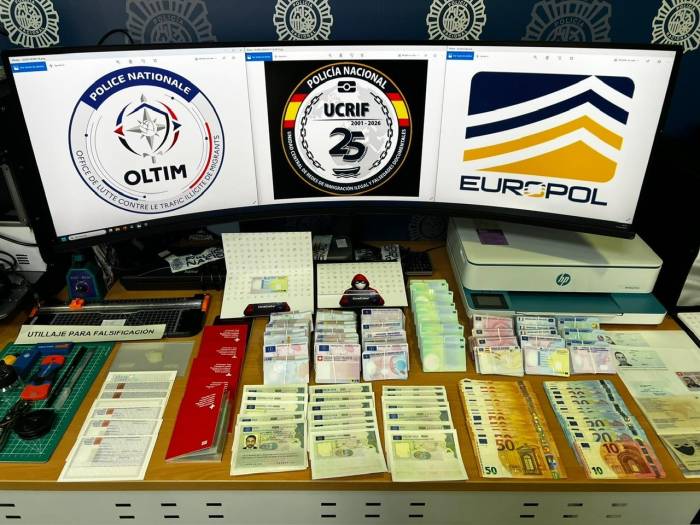
Fake ID Factory Busted in Spain: Why Identity Theft Affects Everyone
Police seized around 800 counterfeit IDs from a document forgery operation. Criminals use fake documents to open accounts and commit fraud in your name.
2 min readFake ID Factory Busted in Spain: Why Families Should Care About Identity Fraud
Police shut down a fake document operation with 800 counterfeit IDs. Understanding how criminals create fake identities helps protect your family from fraud.
2 min read
Why Companies Are Struggling to Track Who Has Access to Your Data
As businesses use more apps and automated tools, they're losing track of which programs can access customer information. New security tools aim to help fix this problem.
2 min readWhy Your Online Accounts Are Getting Harder to Protect (And What Companies Are Doing About It)
As more apps and services connect to your accounts, keeping track of who has access is becoming nearly impossible. New security tools aim to help.
2 min read