

Coupang Hid a Massive Data Breach for 7 Months. Here's What That Means.
The Korean e-commerce giant waited seven months to report a breach affecting 37 million customers. The delay matters more than the record $409M fine.
Source
GetCyberRight Intelligence
Original headline: Coupang's $409M Fine: The Real Story Is the 7-Month Delay
Plain-English summary by GetCyberRight. Read the full report at the source above.
What Happened
Coupang, one of Asia's largest online retailers, just received a record $409 million fine for a data breach that exposed 37 million customer records. But here's the part that should concern every online shopper: the company knew about the breach and stayed silent for seven months. Regulators only discovered the breach through their own channels, not from Coupang's disclosure.
The Details
Coupang serves millions of customers across South Korea and beyond, operating much like Amazon does in the United States. When hackers accessed their systems, they gained entry to a massive trove of personal customer information. The company detected the intrusion but chose not to immediately inform customers or authorities.
Seven months is not a small delay. During that time, the exposed data sat available to criminals who could use it for identity theft, phishing attacks, or financial fraud. Every day of silence gave bad actors more time to exploit the information before customers could take protective steps.
The fine is historic, but the real story is the calculation companies make. They weigh the cost of immediate disclosure (stock drops, customer loss, media attention) against the cost of getting caught hiding it later. In this case, Korean regulators sent a clear message: hiding breaches costs more than reporting them.
Who Is Affected
If you've ever used Coupang's services, your personal information may have been exposed. This includes names, addresses, phone numbers, email addresses, and potentially payment information. Even if you haven't used Coupang directly, this matters to you.
The breach highlights a pattern happening worldwide. Companies collect enormous amounts of personal data from families, then make business decisions about when (or if) to tell you when that data gets stolen. If you shop online anywhere, use social media, or have accounts with major retailers, you're potentially at risk from similar incidents.
What You Should Do Right Now
Check if your data was exposed. Use breach monitoring tools to see if your email address or personal information appears in known data breaches. Don't wait for companies to notify you.
Stay one step ahead of scammers
Weekly cybersecurity briefings for families. No spam, just the threats that matter and what to do about them.
Review your bank and credit card statements from the past year. Look for unusual charges or accounts you didn't open. Set up account alerts so you're notified of new activity immediately.
Change passwords on your online shopping accounts. Use unique passwords for each site, especially for accounts that store payment information. A password manager makes this easier to manage.
Enable two-factor authentication wherever available. This adds a second layer of protection even if your password gets compromised in a breach.
Be skeptical of emails or texts claiming to be from retailers you use. After breaches, scammers send fake "security alert" messages to steal more information.
The Bigger Picture
This case proves that companies fear disclosure more than they fear breaches themselves. Until breach notification laws have strict deadlines and serious penalties everywhere, not just in select countries, delays will continue. Families need to assume their data has been compromised somewhere and take protective steps accordingly. Staying informed about major breaches helps you act quickly when your information is at risk.
How GetCyberRight Can Help
Our Breach Monitor tool lets you check if your email or personal data has been exposed in known breaches like the Coupang incident. Instead of waiting for companies to tell you (or wondering if they ever will), you can search our database and get immediate answers. Knowledge is the first step in protection, and we make it simple for families to stay informed without technical expertise.
Curated from trusted cybersecurity sources by GetCyberRight
Source: GetCyberRight IntelligenceStay ahead of cyber threats
Get our free weekly digest. Real threats, plain language, what to do about them. No spam, ever.
More articles

Spotify's Hidden Scam: Fake Podcasts That Push Illegal Drugs
Congressional report reveals thousands of fake Spotify podcasts designed to trick listeners and promote illegal pharmacy sites through manipulated search results.
3 min readScammers Used Fake Spotify Podcasts to Game Google Search Results
Tens of thousands of fake podcasts flooded Spotify to manipulate search rankings and lead people to illegal pharmacy sites. Here's what families need to know.
3 min read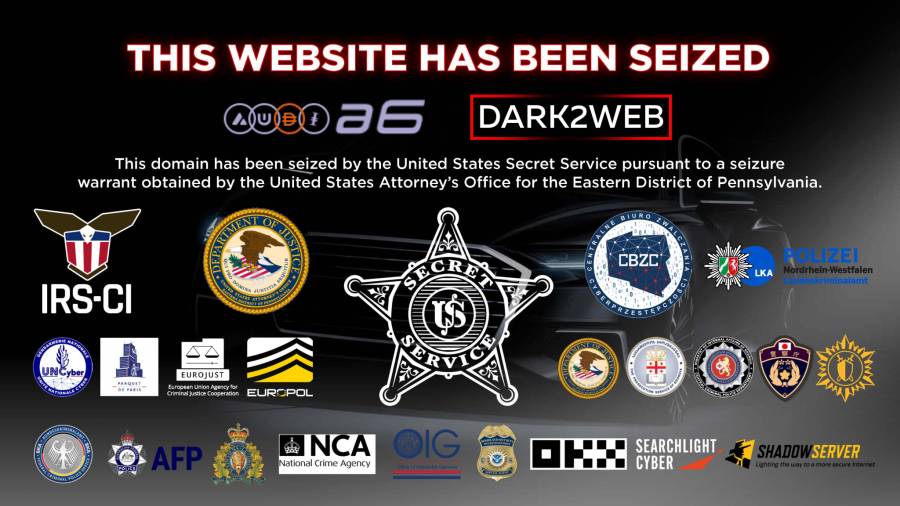
Police Shut Down Major Criminal Money Laundering Service: Why This Makes You Safer
International law enforcement closed a service that helped ransomware criminals hide stolen money. This disrupts cybercriminals who lock people out of their computers and demand payment.
2 min readPolice Shut Down Major Money Laundering Service Used by Ransomware Criminals
Law enforcement closed a service that helped criminals wash stolen money. This is good news for everyone because it makes cybercrime harder to profit from.
2 min read