
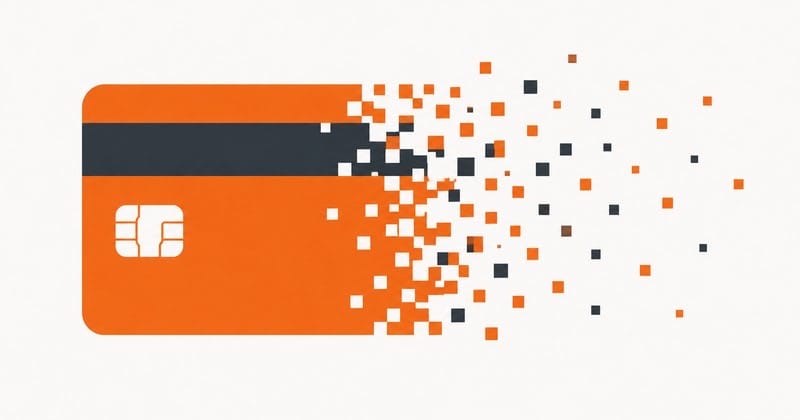
Credit Card Phishing Scam Leads to Arrests in the Netherlands: Protect Your Payment Information
Two people were arrested for stealing credit card details through phishing. The Netherlands has become Europe's worst country for payment fraud.
Source
Graham Cluley
Original headline: Two arrested over credit card phishing – as the Netherlands is named Europe’s worst for payment fraud
Plain-English summary by GetCyberRight. Read the full report at the source above.
Police in the Netherlands arrested two young men for running a phishing operation that tricked people into giving up their credit card information. Phishing means sending fake emails or creating fake websites that look real to steal your personal details.
These scammers collected credit card numbers, expiration dates, and security codes from victims who thought they were entering information on legitimate sites. This type of scam affects anyone who uses a credit or debit card online. The criminals create websites or emails that look exactly like your bank, a shopping site, or a payment service.
Stay one step ahead of scammers
Weekly cybersecurity briefings for families. No spam, just the threats that matter and what to do about them.
When you enter your card details, the scammers capture everything you type. They can then use your card to make purchases, steal money from your account, or sell your information to other criminals. The Netherlands has been identified as Europe's worst country for payment fraud, showing how widespread these scams have become.
- Never click links in emails asking you to verify your payment information. Instead, type the website address directly into your browser.
- Look for https and a padlock icon in your browser before entering any payment details.
- Check your credit card and bank statements every week for charges you do not recognize.
- Set up account alerts so your bank texts or emails you about every transaction.
- If you think you entered your card information on a fake site, call your bank immediately to cancel the card. Building long term habits will keep your payment information safer. Be suspicious of urgent emails claiming your account will be closed or that you won a prize. Real banks do not ask for your full card number or PIN by email. Use a credit card instead of a debit card for online shopping because credit cards have better fraud protection. Consider using virtual card numbers or payment services that hide your real card number from merchants. Teach your children and elderly family members about these scams, as criminals often target people who are less familiar with online threats.
Curated from trusted cybersecurity sources by GetCyberRight
Source: Graham CluleyStay ahead of cyber threats
Get our free weekly digest. Real threats, plain language, what to do about them. No spam, ever.
More articles

Major Accenture Data Breach: What It Means for Your Personal Information
Hackers stole 35GB of data from global consulting giant Accenture. Here's what families need to know and do to protect themselves.
3 min readAccenture Breach: What It Means When Cybersecurity Advisors Get Hacked
A major consulting firm that advises companies on security just lost 35GB of source code to hackers. Here's why this matters for your family's digital safety.
3 min read
What Russian Hacker Arrests Mean for Your Online Safety
Spanish police arrested someone connected to Russian hacking groups. Here is what these international investigations mean for protecting your family online.
2 min readRussian Hacker Arrested in Spain: What Hacktivist Campaigns Mean for You
Spanish authorities arrested a suspected hacker linked to Russian groups attacking websites. While most families aren't direct targets, these attacks can disrupt services you use.
2 min read