
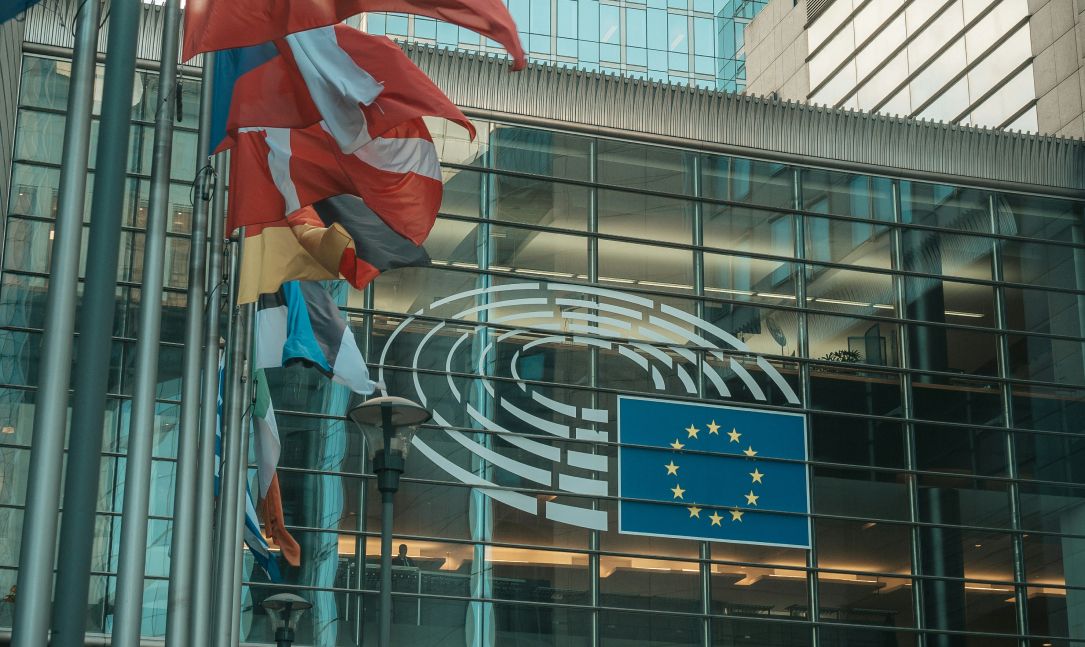
Four EU Countries Sued for Ignoring Critical Cyber Protection Laws
Ireland, Spain, France, and the Netherlands are 20+ months late on cybersecurity laws that protect hospitals, banks, and water systems your family depends on.
Source
GetCyberRight Intelligence
Original headline: EU Sues Countries Over Ignored Cyber Laws
Plain-English summary by GetCyberRight. Read the full report at the source above.
What Just Happened
The European Union just took four member states to court for failing to implement critical cybersecurity laws. Ireland, Spain, France, and the Netherlands missed their deadline by more than 20 months. These aren't minor regulations: they protect the essential services your family uses every single day.
The Details: What These Laws Actually Protect
The law in question is called the NIS2 Directive. It requires strict cybersecurity standards for critical infrastructure like hospitals, banks, energy grids, water treatment facilities, and transportation systems. Countries were supposed to implement these rules into their national laws by October 2024 at the latest. Four major EU nations still haven't done it.
Why does this matter to you? When hospitals don't have proper cybersecurity protections, patient records can be stolen or systems can be locked down by ransomware. When water treatment facilities lack security standards, they become targets for hackers who could disrupt clean water supplies. When banks operate without these safeguards, your financial information sits more vulnerable.
These aren't theoretical risks. We've seen hospitals shut down by cyberattacks, forcing ambulances to divert to other facilities. We've seen water systems breached. The NIS2 Directive exists because these threats are real and growing. When governments delay implementation, they leave critical systems operating under outdated or insufficient security standards.
Who Is Affected
If you live in Ireland, Spain, France, or the Netherlands, your exposure is highest right now. The organizations that handle your healthcare, banking, utilities, and transportation aren't operating under the strongest available security framework. They should be, but government delays mean they're not required to yet.
But this impacts everyone in the EU, and frankly, beyond. Cyberattacks don't respect borders. A vulnerability in one country's power grid can cascade across connected systems. A compromised bank in Paris can affect international transactions. When major economies lag on cybersecurity standards, it creates weak links that affect the entire chain.
What You Should Do Right Now
Check if your bank offers transaction alerts. Turn them on for every purchase over a threshold you set. Early detection matters when systems have gaps.
Stay one step ahead of scammers
Weekly cybersecurity briefings for families. No spam, just the threats that matter and what to do about them.
Request copies of your medical records from your healthcare providers. Store them securely offline. If hospital systems go down, you'll have critical health information accessible.
Set up alternative communication plans with family members. If infrastructure gets disrupted, know how you'll reach each other without relying solely on digital systems.
Keep three days of drinking water stored at home. Basic preparedness protects your family if utility infrastructure faces disruption.
Monitor your bank and credit accounts weekly, not monthly. Catching unauthorized activity early limits damage significantly.
The Bigger Picture
This lawsuit reveals something important: cyber protection isn't just about your personal behavior. You can have strong passwords and updated software, but if the infrastructure around you operates under weak standards, you're still exposed. Staying informed about regulatory developments helps you understand where systemic vulnerabilities exist. Knowledge lets you prepare accordingly and advocate for better protections.
How GetCyberRight Can Help
Our Cyber Threat Radar tool tracks exactly these kinds of regulatory failures and infrastructure vulnerabilities. It translates complex policy developments into clear explanations of how they affect your daily life. When governments lag on cybersecurity standards, you'll understand what that means for your family's actual risk exposure. We believe families deserve to understand the full picture, not just part of it.
Curated from trusted cybersecurity sources by GetCyberRight
Source: GetCyberRight IntelligenceStay ahead of cyber threats
Get our free weekly digest. Real threats, plain language, what to do about them. No spam, ever.
More articles

Why Windows Defender Alone May Not Protect Your Family from Hidden Threats
A recent test revealed Windows Defender missed a hidden Trojan that Norton detected in minutes. Here's what families need to know about layered protection.
3 min read
Payment Company Used in Vending Machines and Kiosks Reports Possible Data Breach
Nayax, a company that processes cashless payments at vending machines and self-service kiosks worldwide, is investigating a breach that may have exposed customer payment card data.
2 min readPayment Company Used by Vending Machines Investigating Possible Breach of 1 Billion Card Records
Nayax, which handles cashless payments at vending machines and self-service kiosks, is investigating claims that hackers stole 1 billion payment card records.
2 min read
AI Runs First Fully Automatic Ransomware Attack: What Parents Need to Know
Researchers documented an AI system that carried out a complete ransomware attack by itself, raising concerns about future cyber threats.
2 min read