
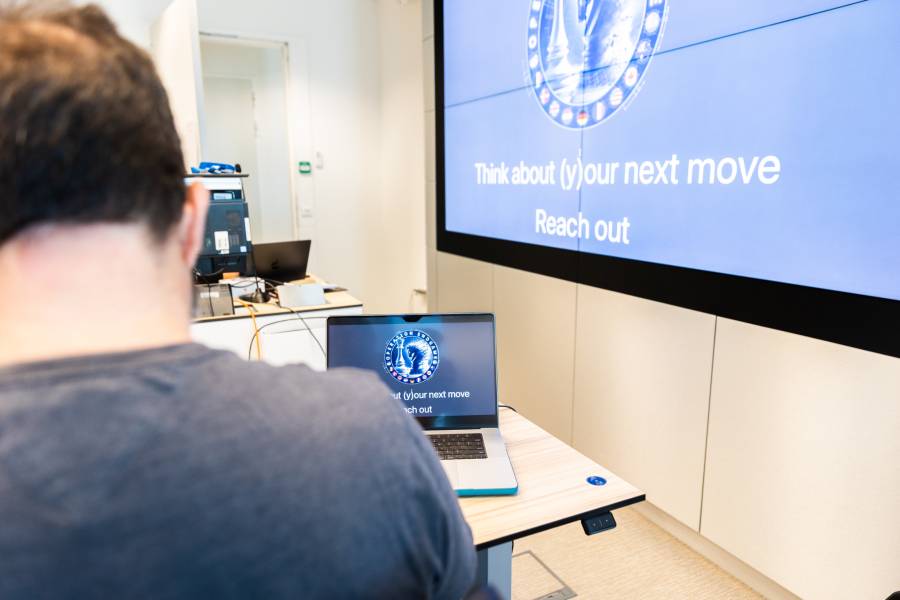
International Police Operation Shuts Down Major Malware Networks
Europol and global partners dismantled criminal networks spreading ransomware and malware including SocGholish, Amadey, and StealC.
Source
Europol
Original headline: Global cyber strike disrupts SocGholish, Amadey, and StealC malware networks
Plain-English summary by GetCyberRight. Read the full report at the source above.
Europol announced the results of Operation Endgame, a major international law enforcement effort that took down key infrastructure used by cybercriminals. Over the past two weeks, police agencies from multiple countries worked together to dismantle networks that spread malware including SocGholish, Amadey, and StealC. These malicious tools are used to steal personal information, hijack computers, and spread ransomware. This is good news for internet users worldwide. The takedown disrupts the criminal networks that create and distribute malware.
While these specific malware families may have infected computers globally, this operation reduces the immediate threat. If your computer has been running slowly, showing strange pop-ups, or behaving unusually, it could have been infected by one of these malware types.
Stay one step ahead of scammers
Weekly cybersecurity briefings for families. No spam, just the threats that matter and what to do about them.
Take these steps to protect yourself right now. First, run a full scan using your antivirus software. If you do not have antivirus protection, Windows users should run a full scan with Windows Security (built into Windows 10 and 11). Second, update your operating system and all software to the latest versions. Third, change passwords for important accounts like email, banking, and social media, especially if you have reused the same password across multiple sites. Stay protected by practicing safe browsing habits. Never click on links or download attachments from unexpected emails. Be skeptical of pop-up warnings that claim your computer is infected and pressure you to call a number or download software. Keep your antivirus software active and updated, and regularly back up important files to an external drive or cloud service.
Curated from trusted cybersecurity sources by GetCyberRight
Source: EuropolStay ahead of cyber threats
Get our free weekly digest. Real threats, plain language, what to do about them. No spam, ever.
More articles
International Police Operation Shuts Down Major Criminal Hacking Networks
Law enforcement agencies worldwide took down criminal networks responsible for spreading ransomware and data-stealing malware in a coordinated strike.
2 min read
Free Cybersecurity Certification Now Available for Career Changers
ISC2 made their professional cybersecurity certification completely free, including exam and study materials. It's a legitimate path into tech careers.
3 min readHow to Get Professional Cybersecurity Training for Free (And Why You Should)
ISC2 offers globally recognized cybersecurity certification at no cost, giving families the skills to protect themselves online without spending a penny.
4 min read
Amazon Prime Day Shopping: How to Spot Real Deals and Avoid Scams
Prime Day brings both genuine deals and scam attempts. Learn how to shop safely and avoid fake deals designed to trick shoppers.
2 min read