

Major Data Breaches Hit Department of Homeland Security and Health Insurer
A DHS database was hacked, and AssuranceAmerica insurance company reported a data breach affecting 7 million people. Check if you are affected.
Source
SecurityWeek
Original headline: In Other News: DHS Database Hacked, Adobe Boosts Patch Cadence, Canada Disrupts Ransomware Ops
Plain-English summary by GetCyberRight. Read the full report at the source above.
Several significant cybersecurity incidents occurred recently. A database belonging to the Department of Homeland Security was hacked, though details about what information was accessed remain limited. Separately, AssuranceAmerica, a health insurance company, reported a data breach that affects 7 million people. Additionally, Adobe announced it will increase how often it releases security patches, and Canada disrupted ransomware operations within its borders.
If you have health insurance through AssuranceAmerica, your personal information may have been exposed in this breach affecting 7 million people. This could include your name, address, date of birth, Social Security number, and health information. The DHS database breach may affect government employees or people who have interacted with DHS agencies, though the full scope is not yet clear. Most families will not be directly affected by the other news items mentioned.
Stay one step ahead of scammers
Weekly cybersecurity briefings for families. No spam, just the threats that matter and what to do about them.
If you are an AssuranceAmerica customer, take these steps immediately.
- Watch your mail for an official breach notification letter from AssuranceAmerica, which should explain exactly what information was exposed.
- Monitor your credit reports for suspicious activity by visiting AnnualCreditReport.com to get your free reports.
- Consider placing a fraud alert or credit freeze on your credit files with the three major credit bureaus.
- Watch your insurance statements and medical records for any services you did not receive, which could indicate medical identity theft.
- Be extremely cautious of any emails or phone calls claiming to be from AssuranceAmerica, as scammers often follow up after breaches. To protect yourself going forward, check your credit reports regularly, at least once per year. Set up account alerts with your banks and credit cards to notify you of unusual activity. Never give out personal information over the phone unless you initiated the call. Keep important documents secure and shred paperwork containing sensitive information before throwing it away.
Curated from trusted cybersecurity sources by GetCyberRight
Source: SecurityWeekStay ahead of cyber threats
Get our free weekly digest. Real threats, plain language, what to do about them. No spam, ever.
More articles
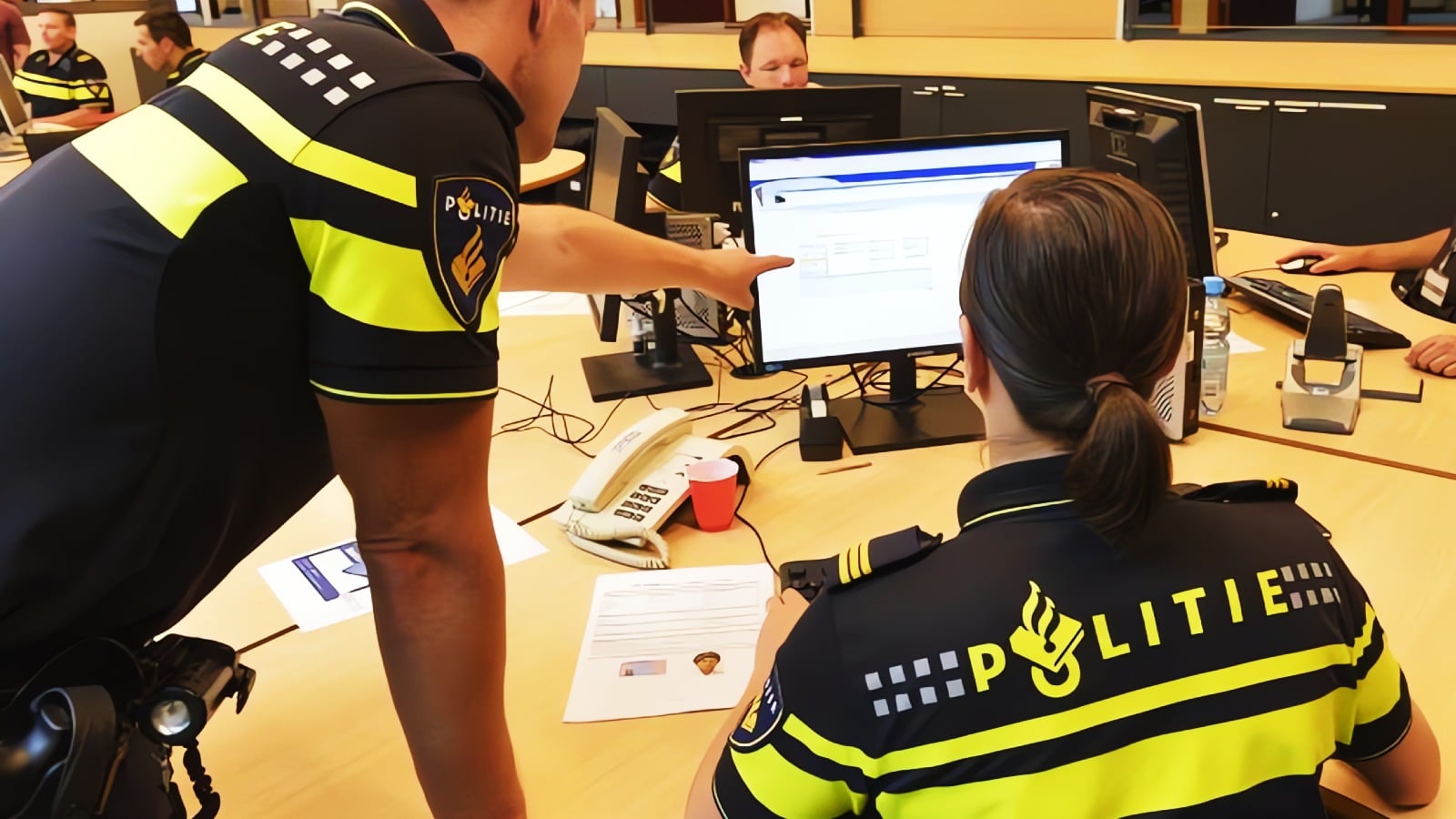
Dutch Telecom Company Odido Hit By Breach, Local Hackers Suspected
Dutch police say local hackers were likely involved in a February breach at telecommunications provider Odido that compromised customer data.
2 min readDutch Telecom Provider Odido Experienced Data Breach in February
Dutch National Police found strong indications that Dutch hackers were involved in a February breach at telecommunications provider Odido.
2 min readMultiple Security Incidents Reported: DHS Database Hacked, AssuranceAmerica Breach Affects Millions
Several cybersecurity incidents occurred recently, including a hack of a DHS database and a data breach at AssuranceAmerica affecting 7 million people.
2 min read
Government Cybersecurity Agency Accidentally Exposed Its Own Passwords Online
CISA, the agency responsible for protecting government computer systems, had employee passwords accidentally posted publicly on GitHub by a contractor.
2 min read