

Paying Ransomware Doesn't End the Problem: Dutch Lab Lawsuit Proves It
A Dutch medical lab paid ransomware attackers but now faces lawsuits and regulatory findings. Payment doesn't make consequences disappear.
Source
GetCyberRight Intelligence
Original headline: Ransomware Payment Myth: Dutch Lab Lawsuit
Plain-English summary by GetCyberRight. Read the full report at the source above.
What Happened and Why It Matters
A Dutch medical laboratory paid ransomware attackers after 850,000 women's health records were stolen. They likely hoped paying would end the crisis. Instead, they're now facing a mass lawsuit, regulatory findings of failure, and severe reputation damage. This case shatters the dangerous myth that paying ransomware makes your problems go away.
The Details
The laboratory fell victim to Nova ransomware, a particularly nasty strain targeting healthcare organizations. The attackers stole sensitive medical records from 850,000 women before encrypting the lab's systems. Rather than refuse payment, the lab decided to pay the ransom, probably hoping to prevent data publication and restore operations quickly.
But payment didn't solve anything. The stolen data was still gone. The security vulnerabilities that allowed the breach still existed. And most importantly, the affected patients still deserved accountability and protection. Months later, the consequences arrived: affected individuals banded together for a mass lawsuit, and regulators found the lab had failed in its duty to protect patient data.
This pattern repeats constantly in ransomware cases. Paying ransomware is like paying protection money to criminals. You're not buying safety or silence. You're funding criminal operations while still facing every other consequence: regulatory fines, lawsuits, notification requirements, credit monitoring costs, reputation damage, and the operational disruption of recovery. The ransom payment itself becomes just one item on a very long list of expenses and problems.
Who Is Affected
If you use healthcare services, especially women's health services, this story matters to you directly. Medical records contain your most sensitive information: diagnoses, treatments, medications, and personal identifiers. When this data gets stolen, it can be used for identity theft, insurance fraud, or even blackmail.
Business owners and professionals should also pay close attention. This case proves that paying ransomware doesn't shield you from lawsuits or regulatory action. If anything, paying while still failing to protect data properly makes the legal situation worse. You can be sued for the breach itself and for how you handled it afterward.
What You Should Do Right Now
Check if your medical providers have reported any breaches. Visit the U.S. Department of Health and Human Services breach portal or search for your provider's name plus "data breach" to see if your records were affected.
Stay one step ahead of scammers
Weekly cybersecurity briefings for families. No spam, just the threats that matter and what to do about them.
Enable two-factor authentication on all medical portals. Your patient portal at your doctor's office, pharmacy, insurance company, and hospital should all have this extra protection turned on.
Review your medical records regularly. Log into your patient portals quarterly to check for appointments you didn't make or prescriptions you didn't request. These are signs someone else accessed your records.
Freeze your credit with all three bureaus. Medical data breaches often lead to identity theft months later. Freezing your credit costs nothing and blocks criminals from opening accounts in your name.
Ask your healthcare providers about their cybersecurity practices. You have every right to know how your medical data is protected. Organizations that take security seriously will have answers ready.
The Bigger Picture
Ransomware attackers know that payment doesn't end consequences for victims, even if victims don't realize it yet. They're betting on fear and desperation to generate quick payouts. The real protection comes from prevention: strong backups, security training, updated systems, and incident response plans. Organizations that invest in these defenses don't face the impossible choice between paying criminals and losing data. Staying informed about these trends helps you choose providers who take your data security seriously.
How GetCyberRight Can Help
Our Cyber Threat Radar tool tracks active ransomware campaigns like Nova and helps you understand the full scope of breach consequences beyond the initial payment. You can see which ransomware groups are targeting which industries, what happens to organizations that pay versus those that don't, and what the total cost of recovery actually looks like. Knowledge is your best defense against becoming the next victim in these headlines.
Curated from trusted cybersecurity sources by GetCyberRight
Source: GetCyberRight IntelligenceStay ahead of cyber threats
Get our free weekly digest. Real threats, plain language, what to do about them. No spam, ever.
More articles

Spotify's Hidden Scam: Fake Podcasts That Push Illegal Drugs
Congressional report reveals thousands of fake Spotify podcasts designed to trick listeners and promote illegal pharmacy sites through manipulated search results.
3 min readScammers Used Fake Spotify Podcasts to Game Google Search Results
Tens of thousands of fake podcasts flooded Spotify to manipulate search rankings and lead people to illegal pharmacy sites. Here's what families need to know.
3 min read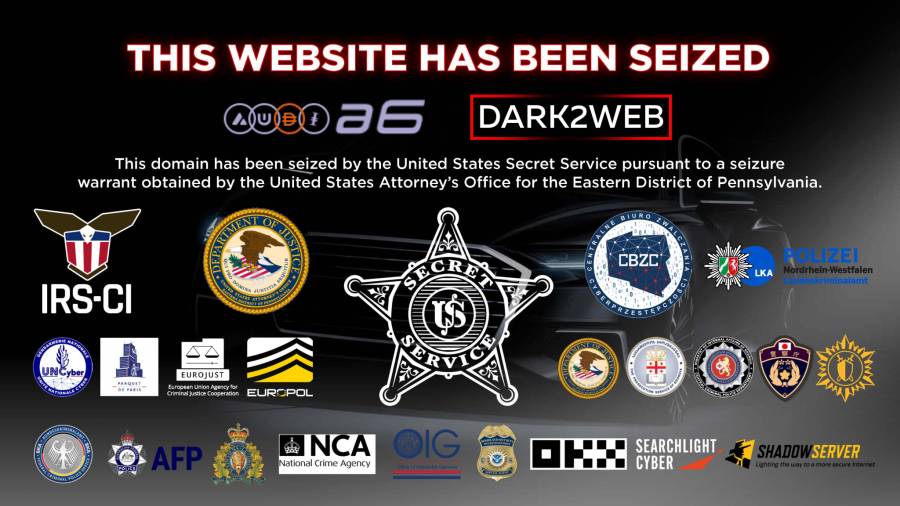
Police Shut Down Major Criminal Money Laundering Service: Why This Makes You Safer
International law enforcement closed a service that helped ransomware criminals hide stolen money. This disrupts cybercriminals who lock people out of their computers and demand payment.
2 min readPolice Shut Down Major Money Laundering Service Used by Ransomware Criminals
Law enforcement closed a service that helped criminals wash stolen money. This is good news for everyone because it makes cybercrime harder to profit from.
2 min read