

Security Weakness Found in Some Encryption Keys Used Online
Researchers discovered a specific weakness in some encryption keys protecting websites and services, but fixes are being implemented.
Source
Schneier on Security
Original headline: Factoring RSA Keys with Many Zeros
Plain-English summary by GetCyberRight. Read the full report at the source above.
Security researchers have identified a new type of weak encryption key being used on some websites and online services. These are RSA keys that contain an unusually high number of zeros in their code. The badkeys project, an open-source tool that checks encryption keys for vulnerabilities, discovered these weak keys while scanning real-world websites, security certificates, and internet services.
This technical issue affects the behind-the-scenes security of some websites and online services, not individual user accounts directly. If a website you use has one of these weak keys, the encryption protecting your connection to that site could potentially be broken by skilled attackers.
However, this requires significant technical expertise and is not something affecting home users' personal devices or passwords. For most families, there is no immediate action required. Website owners and service providers are responsible for fixing this issue on their end by replacing weak encryption keys.
Stay one step ahead of scammers
Weekly cybersecurity briefings for families. No spam, just the threats that matter and what to do about them.
You cannot tell from looking at a website whether it has this problem. Continue using websites and services normally. If a company you do business with announces they are updating their security certificates or asks you to log out and back in, follow their instructions.
This discovery reminds us that online security depends on many layers working correctly. While you cannot control how websites generate their encryption keys, you can control your own security practices. Use strong, unique passwords for each account.
Enable two-factor authentication wherever available. Keep your devices and apps updated. These basic habits protect you even when technical vulnerabilities exist elsewhere in the system.
Curated from trusted cybersecurity sources by GetCyberRight
Source: Schneier on SecurityStay ahead of cyber threats
Get our free weekly digest. Real threats, plain language, what to do about them. No spam, ever.
More articles
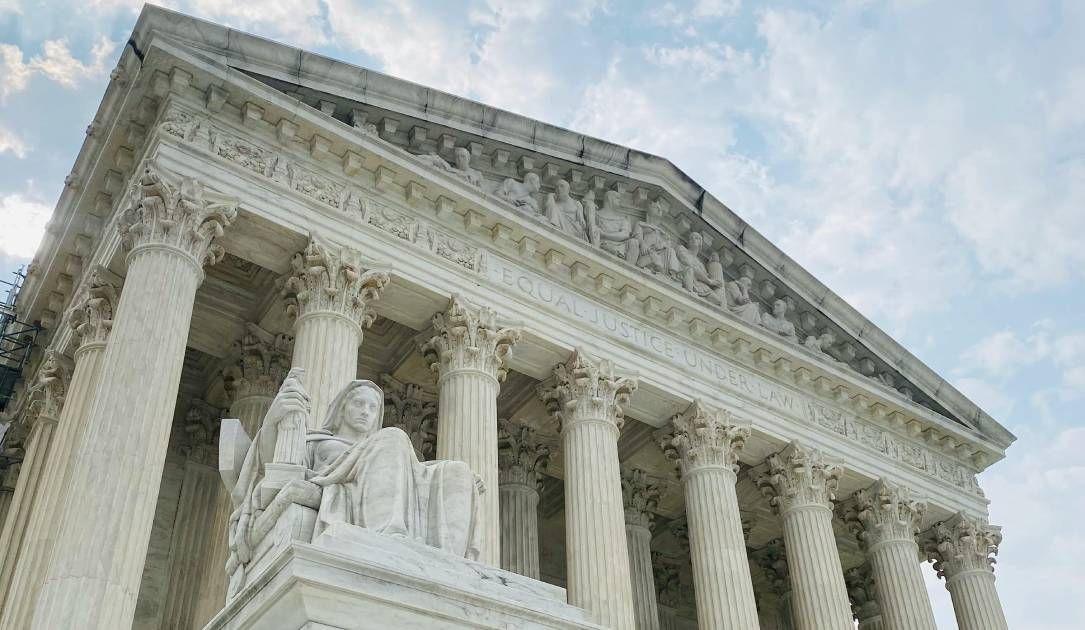
Police Now Need Warrants to Track Your Phone's Location History
A major Supreme Court ruling protects your family's privacy by requiring warrants before police can access geofence location data from tech companies.
3 min read
New 'Djinn' Malware Steals Login Credentials from Business Tools
A new type of malware is stealing passwords from cloud services and AI tools that businesses use. It targets work accounts that could give hackers wider access.
2 min readNew 'Djinn' Hacking Tool Targets Business Cloud Accounts
Hackers are using a new tool to steal cloud and AI system login credentials from businesses through a flaw in remote support software called SimpleHelp.
2 min readNissan Employee Data Breach: What Workers and Families Need to Know
A zero-day attack on Nissan's Oracle software exposed employee data. Here's what affected workers should do right now to protect themselves.
4 min read