
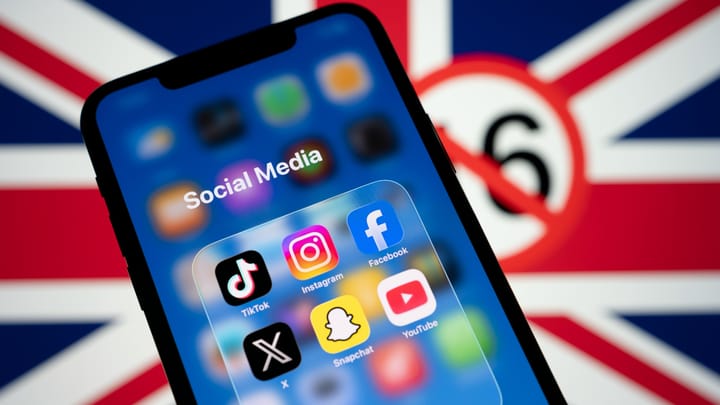
UK Social Media Ban: The Hidden Privacy Cost for Your Whole Family
The UK's new under-16 social media ban sounds protective, but the age verification systems required could expose everyone's personal data in unprecedented ways.
Source
GetCyberRight Intelligence
Original headline: UK Social Media Ban: The Privacy Cost Nobody Mentions
Plain-English summary by GetCyberRight. Read the full report at the source above.
What Just Happened
The UK has introduced legislation banning social media access for anyone under 16. While the goal is protecting children from online harms, there's a critical privacy concern most headlines are missing. To enforce this ban, platforms must verify the age of every single user, including adults. That verification infrastructure comes with serious privacy costs for your entire family.
The Details: How Age Verification Actually Works
Age verification sounds simple, but the reality is complicated. Social media platforms can't just take your word for it when you say you're over 16. They need proof, and that proof requires collecting sensitive personal information.
The most common verification methods include uploading government-issued IDs like passports or driver's licenses, submitting to facial recognition or biometric scans, providing payment card details, or allowing platforms to cross-reference your data against third-party databases. Each method creates a permanent digital record linking your real identity to your online activity.
Here's the problem: once platforms build this verification infrastructure, it doesn't disappear. The systems designed to check if someone is 16 can easily be expanded to collect, store, and analyze much more data. Privacy experts warn this creates a surveillance framework that didn't exist before, one that could be repurposed for tracking, profiling, or even shared with governments and advertisers.
Who Is Affected
This isn't just about teenagers. Every adult who uses social media in the UK will likely need to verify their age too. Parents proving they're over 16, grandparents staying connected with family, professionals using LinkedIn for work: everyone gets swept into the same verification system.
Families face a particularly difficult choice. You might feel relieved knowing your 14-year-old can't access certain platforms. But that protection requires you to hand over personal documents and biometric data to the same tech companies many parents already distrust with their information.
What You Should Do Right Now
Review what verification methods platforms offer before choosing one. If given options, choose the least invasive method. Payment verification is generally less risky than biometric scans.
Stay one step ahead of scammers
Weekly cybersecurity briefings for families. No spam, just the threats that matter and what to do about them.
Have a conversation with your family about the trade-offs. Discuss what information you're comfortable sharing and what boundaries you want to set together.
Check the privacy policies of platforms your family uses. Look specifically for how long they retain verification data and who they share it with.
Consider alternative communication tools that don't require invasive verification. Messaging apps with strong encryption and minimal data collection exist as alternatives for staying connected.
Stay informed about how this legislation develops. Implementation details matter enormously for your actual privacy.
The Bigger Picture
This UK legislation represents a global trend: governments trying to make the internet safer through identity verification. Similar proposals are being discussed in the US, Australia, and across Europe. The challenge is balancing child safety with digital privacy rights. Once verification infrastructure exists, it rarely gets less intrusive over time. Understanding these trade-offs helps families make informed decisions about their digital lives.
How GetCyberRight Can Help
Our Kids Safety Hub provides practical guidance for families navigating exactly these kinds of decisions. You'll find balanced advice on protecting your children online without unnecessarily sacrificing your family's privacy. We help you evaluate options, understand risks, and take action based on your family's values and needs.
Curated from trusted cybersecurity sources by GetCyberRight
Source: GetCyberRight IntelligenceStay ahead of cyber threats
Get our free weekly digest. Real threats, plain language, what to do about them. No spam, ever.
More articles

Developer Tools Poisoned: What Families Need to Know About npm Attack
Attackers compromised 144 software packages that developers use to build apps and websites. If your workplace uses these tools, your data may be at risk.
3 min read
Free Cybersecurity Certification Opens Doors to New Career Path
ISC2 now offers their entry-level cybersecurity certification completely free, removing the biggest barrier to starting a career protecting families and businesses online.
4 min readFree Cybersecurity Certification Opens Doors to Tech Career Paths
ISC2 now offers their entry-level Certified in Cybersecurity certification completely free, including training and exam, removing financial barriers to the field.
4 min readFree Cybersecurity Certification Now Available (Worth $499)
ISC2 is offering free entry-level cybersecurity training and certification through their One Million Certified program. No cost, no catch.
3 min read