
University Data Breach Exposes Student and Staff Information Nationwide
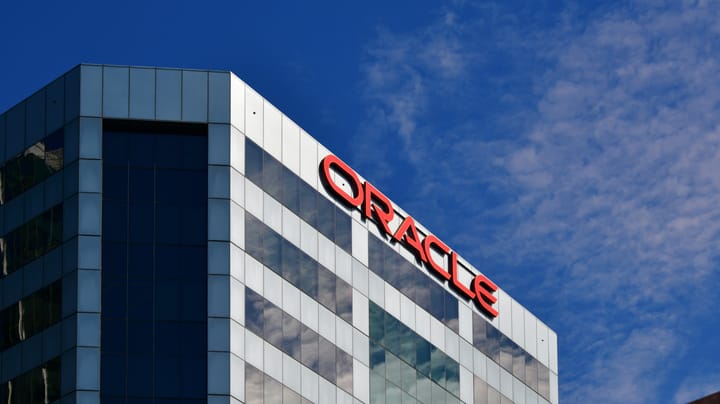
A security flaw in Oracle software led to breaches at American universities, potentially exposing personal data of students, staff, and parents.
Source
GetCyberRight Intelligence
Original headline: Oracle Zero-Day Hits Universities
Plain-English summary by GetCyberRight. Read the full report at the source above.
What Happened
Multiple American universities suffered data breaches this week after hackers exploited a previously unknown security flaw in Oracle ERP software. The hacking group ShinyHunters targeted colleges and universities across the country, gaining unauthorized access to systems that store student records, financial information, and employee data. This isn't a problem limited to one school. It affects institutions nationwide that use the same software.
The Details
Oracle ERP (Enterprise Resource Planning) is software that universities use to manage everything from student enrollment and grades to payroll and financial records. Think of it as the digital filing cabinet for an entire university. ShinyHunters discovered a zero-day vulnerability, which means they found a security flaw that Oracle didn't know about and hadn't fixed yet.
The hackers didn't attack Oracle directly. Instead, they went after the universities using Oracle's software. This is a common tactic: criminals know that large institutions often can't update their systems as quickly as the companies that make the software. Universities store vast amounts of sensitive data, making them attractive targets.
ShinyHunters is a known cybercriminal group with a history of large-scale data breaches. They typically steal data and either sell it on underground forums or use it for extortion. The group has previously targeted other major organizations, making this latest attack part of a troubling pattern.
Who Is Affected
If you or your family members have any connection to an American university, pay close attention. Current students, recent graduates, faculty, and staff are most at risk. But the exposure extends further than you might think.
Parents who filled out financial aid forms may have had their tax information and bank details stored in these systems. Alumni who donated to their schools or participated in fundraising campaigns could be affected. Even prospective students who submitted applications this year might find their personal information was accessible during the breach.
What You Should Do Right Now
Contact your university directly to ask if they were affected and what specific data may have been compromised. Don't wait for them to reach out first.
Stay one step ahead of scammers
Weekly cybersecurity briefings for families. No spam, just the threats that matter and what to do about them.
Check your email and student portal for any official notifications from your school about the breach. Save these messages for your records.
Review your bank and credit card statements for any suspicious activity, especially if your school handles tuition payments or financial aid directly.
Change your university account passwords immediately, even if your school hasn't confirmed a breach. Use a unique password you don't use anywhere else.
Monitor your credit reports for unfamiliar accounts or inquiries. You can request free credit reports from all three major bureaus at AnnualCreditReport.com.
The Bigger Picture
This breach reveals an uncomfortable truth about modern cybersecurity: you can do everything right personally and still be vulnerable because of systems outside your control. Universities, hospitals, employers, and other institutions hold your data. Their security practices directly affect your safety online. Staying informed about breaches and taking quick action when they happen is now a basic life skill, like knowing how to check your bank balance.
How GetCyberRight Can Help
Our Breach Monitor tool helps families quickly check if their email addresses appear in known data breaches, including recent university attacks. Enter your family's email addresses to see if you've been exposed. If you have been, the tool provides specific guidance on what to do next. Knowledge is the first step to protection, and checking takes less than a minute.
Curated from trusted cybersecurity sources by GetCyberRight
Source: GetCyberRight IntelligenceStay ahead of cyber threats
Get our free weekly digest. Real threats, plain language, what to do about them. No spam, ever.
More articles

FBI Shuts Down AI Scam Network That Fooled 2.5 Million People
A massive AI-powered phishing operation sent perfectly written scam texts to millions. The old rule about spotting typos no longer works.
3 min readAI Scammers Sent 2.5 Million Texts in Two Weeks. Here's What Happened.
The FBI just shut down an AI-powered scam that stole $1.9 billion using simple tricks sent at massive scale. Your family needs to know about this.
3 min readMaine Shuts Down Breach Portal After Fake Reports Fooled the Public
Fraudsters posted fake data breach reports on Maine's official state website, forcing it offline. Here's how to verify if a breach claim is real.
3 min readYour 'Redacted' PDFs Aren't Actually Hiding Anything
Blacking out sensitive information in PDFs doesn't remove it. The hidden text can still be copied and pasted by anyone who opens the file.
3 min read