
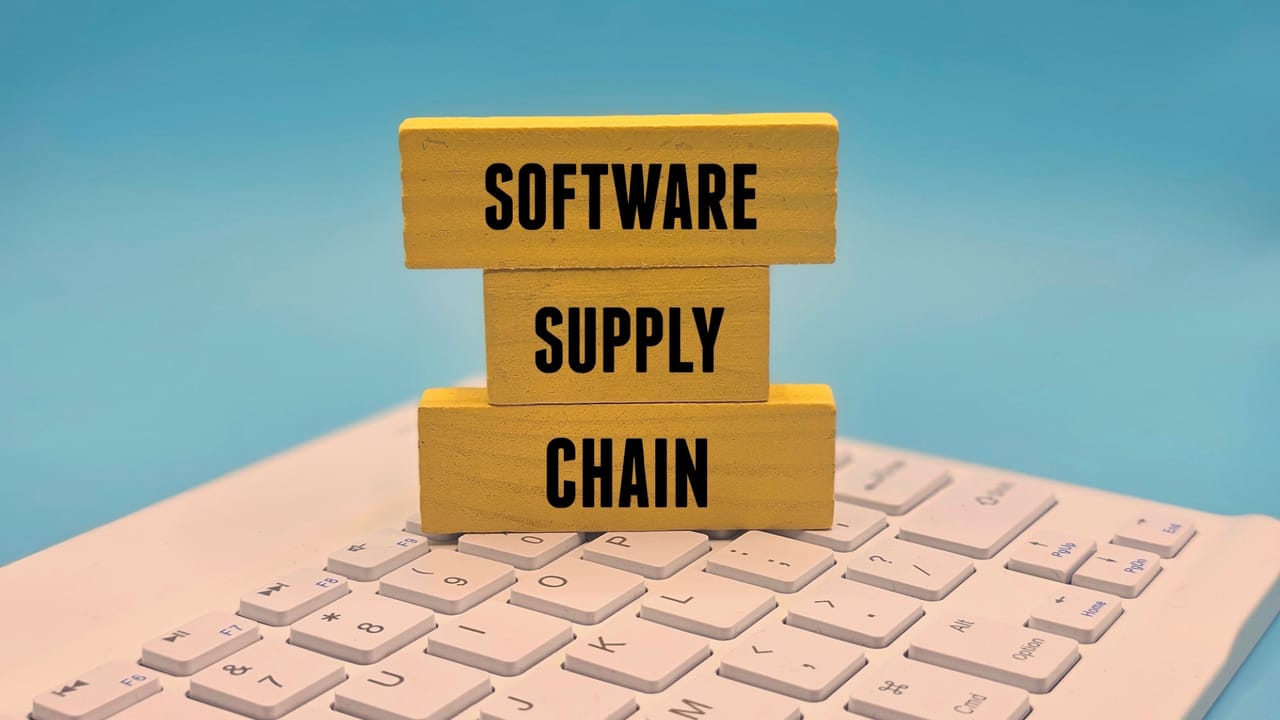
Why Developer Attacks Now Threaten Your Family's Favorite Apps
A recent attack on developer tools means the apps your family relies on daily could be compromised. Here's what you need to know and do right now.
Source
GetCyberRight Intelligence
Original headline: Supply Chain Attacks Aren't Just Corporate Problems
Plain-English summary by GetCyberRight. Read the full report at the source above.
Why This Matters to Your Family
A recent attack on NPM, a tool used by millions of software developers, has exposed a hidden vulnerability in the apps your family uses every day. This isn't just a tech company problem. When developer tools get compromised, the consequences ripple directly into your banking apps, your kids' school portals, and the shopping sites you trust.
The Details: How Developer Attacks Reach Your Home
Think of software development like building with LEGO bricks. Developers don't create everything from scratch. They use pre-made building blocks called packages to speed up their work. NPM is a massive library of these building blocks, hosting over a million packages that developers rely on.
When attackers compromise these packages, they're poisoning the supply chain. A single infected package gets downloaded and built into dozens of apps. Within weeks, that malicious code can end up in the banking app on your phone or the website where you pay bills.
The attack doesn't stop there. Compromised developer credentials get stolen and reused across multiple projects. One breach cascades into many. The developers building your favorite apps might not even realize they're spreading infected code until it's too late.
Who Is Affected
Anyone who uses apps and websites is potentially affected. That includes your banking and payment apps, shopping platforms, healthcare portals, and educational tools your children use for school. Even smart home devices and fitness trackers rely on code built with these developer tools.
Families are especially vulnerable because we use so many connected services simultaneously. Your teenager's gaming account, your spouse's work VPN, your elderly parent's prescription refill app. They could all contain code touched by compromised packages.
What You Should Do Right Now
Enable two-factor authentication on all critical accounts: Start with banking, email, and any account containing payment information. This protects you even if credentials are stolen through compromised apps.
Stay one step ahead of scammers
Weekly cybersecurity briefings for families. No spam, just the threats that matter and what to do about them.
Update all apps on your devices this week: Developers often push emergency security patches after supply chain attacks are discovered. Check for updates on your phone, tablet, and computer.
Review your account activity closely: Check bank statements, credit card transactions, and any financial accounts for unusual activity over the next 30 days. Set up transaction alerts if available.
Change passwords on financial and sensitive accounts: Use unique passwords for each service. Consider using a password manager to keep track of them safely.
Talk to your family about unusual app behavior: If any app starts requesting strange permissions or behaving oddly, stop using it immediately and report it.
The Bigger Picture
Supply chain attacks represent a fundamental shift in how cyberthreats reach everyday people. Attackers have learned they don't need to target you directly. They can compromise the tools that build the digital world around you. As our lives become more connected, these attacks will only increase. Staying informed isn't optional anymore. It's essential family safety.
How GetCyberRight Can Help
Our Cyber Threat Radar tool tracks supply chain attacks and emerging app vulnerabilities before they hit mainstream news. It translates technical threats into plain language alerts about the specific apps and services your family uses. You'll know when to update, when to change passwords, and when to avoid certain services. Think of it as an early warning system for your digital life.
Curated from trusted cybersecurity sources by GetCyberRight
Source: GetCyberRight IntelligenceStay ahead of cyber threats
Get our free weekly digest. Real threats, plain language, what to do about them. No spam, ever.
More articles

Why Brave's New Paid Browser Challenges Everything About Free Privacy Tools
Brave's $20/year Origin browser strips out crypto and AI features. This challenges the myth that free privacy tools are always better for families.
4 min readThe Hidden Privacy Cost of iPhone Ad Blockers That Work Too Well
New ad blocking apps promise to remove ads from all your apps, but they do it by routing everything you do through their servers first.
4 min readHola VPN Turns Computers Into Secret Crypto Miners: What Families Need to Know
The popular free VPN browser Hola was compromised this week to secretly mine cryptocurrency on users' computers. Here's what happened and how to protect your family.
3 min readHola Browser Infected Windows Users Through Official Updates
A popular browser just delivered malware through its normal update system. Here's what happened and how to protect your family's computers.
4 min read