

Your AI Assistant Might Be Your Company's Biggest Security Risk
AI tools with broad access to company data are creating new security vulnerabilities that traditional cybersecurity measures weren't designed to catch.
Source
GetCyberRight Intelligence
Original headline: AI Agents as Insider Threats
Plain-English summary by GetCyberRight. Read the full report at the source above.
The New Insider Threat Wearing a Helpful Mask
Businesses are racing to integrate AI assistants into their daily workflows, giving these tools access to emails, documents, databases, and customer information. While these AI agents promise productivity gains, they're also creating a dangerous new vulnerability: automated insider threats that can access and move sensitive data at a scale no human employee ever could. The helper you invited in might be creating the biggest security hole your organization has ever had.
The Details: Why AI Agents Are Different
Traditional insider threats come from employees who abuse their access privileges. Security teams have spent decades building tools to monitor unusual human behavior: an accountant suddenly accessing engineering files, or an employee downloading thousands of customer records at 3 AM. These patterns trigger alerts.
AI agents break this model completely. When you give an AI assistant access to your company's systems, you're granting permissions that would make a security auditor's hair stand on end. These tools need broad access to be useful. They read your emails to draft responses, scan your documents to answer questions, and connect to multiple databases to gather information. This centralized access means one compromised AI agent can touch more data in minutes than a malicious employee could access in months.
The automation makes it worse. AI agents don't just access data; they move it, summarize it, and send it places. They might pull confidential information into chat logs, copy sensitive details into shared documents, or transmit proprietary data to external systems for processing. All of this happens automatically, at machine speed, often without detailed audit logs that show exactly what information went where.
Who Is Affected: This Isn't Just Big Tech's Problem
If your workplace uses AI tools like ChatGPT Enterprise, Microsoft Copilot, or similar assistants integrated into business software, you're affected. Small businesses are particularly vulnerable because they often lack dedicated security teams to properly configure these tools.
Parents should care about this too. Your employer's AI security gaps could expose your personal information if you've ever submitted expense reports, emergency contact forms, or health insurance details. When an AI agent gets compromised or misconfigured, everyone's data is at risk.
What You Should Do Right Now
Ask your IT department which AI tools have access to company systems. Request documentation about what data these tools can access and where that data goes.
Stay one step ahead of scammers
Weekly cybersecurity briefings for families. No spam, just the threats that matter and what to do about them.
Never paste sensitive information into AI chat tools unless your company has explicitly approved them for that data type. Treat AI assistants like you would a brand new intern: they need supervision.
Review what permissions you've granted to AI browser extensions and plugins. Remove any that request access to "read and change all your data on all websites."
If you manage a team, establish clear policies about what information can and cannot be shared with AI tools. Put it in writing.
Check if your company has AI-specific security monitoring in place. If not, raise the question with leadership. This is a board-level risk.
The Bigger Picture: Security Needs to Catch Up
We're in a dangerous transition period where AI capabilities are advancing faster than security practices. The tools designed to catch insider threats weren't built for agents that legitimately need access to everything. Organizations need new approaches: AI-specific access controls, enhanced monitoring of automated data movement, and clear policies about AI tool usage. Staying informed about these emerging risks isn't optional anymore. It's how you protect your family's information and your organization's future.
How GetCyberRight Can Help
Our Cyber Threat Radar tool continuously tracks emerging AI-related security risks like this one. It helps families and professionals understand how new technologies create novel attack surfaces before those vulnerabilities affect you directly. Think of it as an early warning system for threats that don't make headlines until after the damage is done. In a world where your AI assistant might be your biggest security risk, staying ahead of the curve isn't paranoia. It's practical protection.
Curated from trusted cybersecurity sources by GetCyberRight
Source: GetCyberRight IntelligenceStay ahead of cyber threats
Get our free weekly digest. Real threats, plain language, what to do about them. No spam, ever.
More articles
Instagram Accounts Hijacked Through Meta's AI Chatbot Flaw
Attackers are using Meta's support chatbot to take over Instagram accounts without technical skills or phishing links. Here's what you need to know.
4 min readAI Agents at Work: The New Insider Threat Your Employer Should Know About
AI assistants are getting company access to boost productivity. But these helpful agents might accidentally expose sensitive data faster than any human employee ever could.
4 min readAI Agents at Work: A Hidden Risk to Your Family's Data
Companies are using AI assistants with broad access to sensitive information. This creates new security risks that could expose your personal data.
3 min read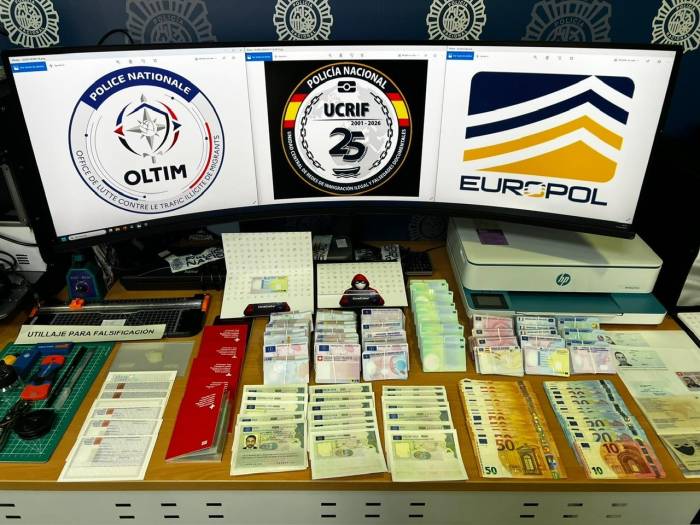
Fake ID Factory Busted in Spain: Why Identity Theft Affects Everyone
Police seized around 800 counterfeit IDs from a document forgery operation. Criminals use fake documents to open accounts and commit fraud in your name.
2 min read