
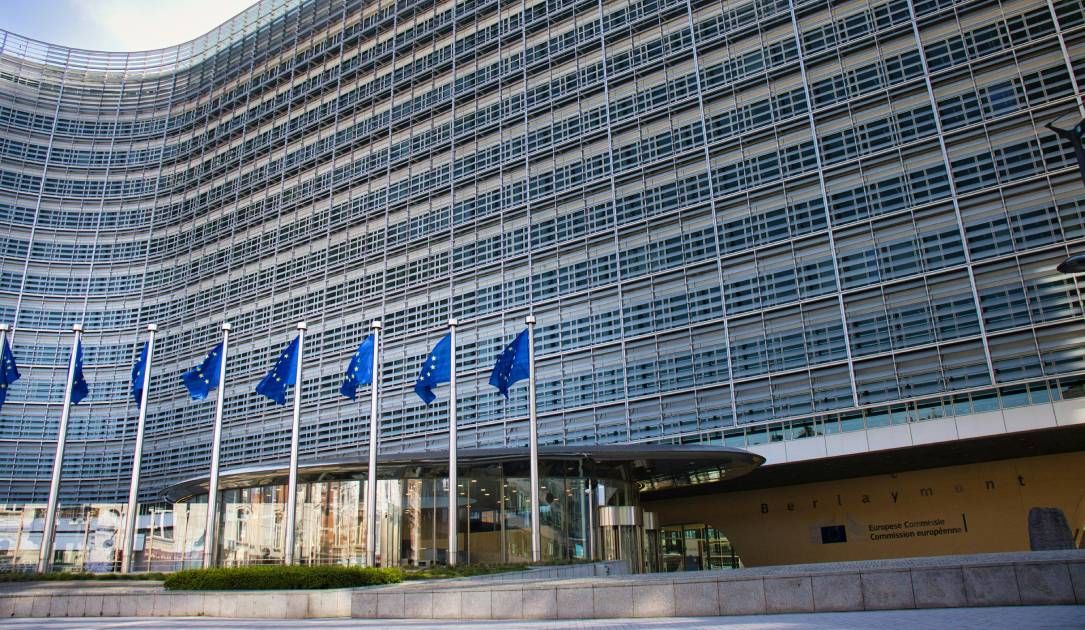
Your Data Shared Between Europe and US Companies May Face New Legal Challenge
A privacy advocate plans to sue to invalidate the agreement allowing EU data to transfer to US companies, which could affect services families use like social media and cloud storage.
Source
The Record by Recorded Future
Original headline: Supreme Court decision threatens EU-US data transfer agreement
Plain-English summary by GetCyberRight. Read the full report at the source above.
Max Schrems, founder of the privacy organization noyb, announced plans to sue to invalidate the EU-U.S. Data Privacy Framework (DPF). This agreement currently allows companies to transfer personal data from European Union countries to United States companies. The lawsuit follows a recent Supreme Court decision that Schrems believes threatens the legal foundation of this data sharing arrangement. If you live in Europe or use services that operate between the EU and US, this could affect you. Many popular services families rely on daily transfer data between continents: social media platforms, cloud storage services, email providers, and shopping websites. If the lawsuit succeeds and the framework is invalidated, companies might have to stop transferring your data or find alternative legal mechanisms. In the worst case, some services could become unavailable or limited in Europe.
Here is what you should do right now:
- Understand where your important data is stored. Check the privacy policies of services you use daily to see if they transfer data to the US.
- Consider using European based alternatives for critical services like email and cloud storage if you want to keep your data within the EU.
- Download copies of important data from cloud services. This ensures you have access regardless of what happens with data transfer rules.
- Review privacy settings on all major services you use. Minimize what data you share and delete old accounts you no longer need. This is not the first time data transfer agreements have faced legal challenges. Schrems previously successfully challenged two earlier frameworks. The lesson for families is that international data flows are complex and can change. Whenever possible, understand where your data lives and have backup plans. Avoid putting all your important information with a single provider. Diversifying where you store family photos, documents, and other critical data protects you from disruptions, whether caused by legal challenges, company failures, or technical problems.
Curated from trusted cybersecurity sources by GetCyberRight
Source: The Record by Recorded FutureStay ahead of cyber threats
Get our free weekly digest. Real threats, plain language, what to do about them. No spam, ever.
More articles
Australian Families See Safer Online Environment as Businesses Face New Pressure
Better security rules in Australia mean families face less cybercrime risk. Businesses now carry more responsibility for keeping customer information safe.
2 min readAustralian Families See Safer Online Environment as Banks and Big Companies Improve Security
If you live in Australia, cybercrime risk is decreasing for consumers thanks to better protections from banks and large companies, though small businesses face more pressure.
2 min readYour Data Privacy Rights Between US and Europe May Change
A privacy advocate plans to challenge the agreement that lets US companies handle European users' personal data, which could affect many popular services.
2 min read
Government Officials Are Labeling More Issues as Cybersecurity Threats
A new analysis finds policymakers are calling many different problems cybersecurity issues, from social media rules to misinformation concerns.
2 min read