
AI Worms Are Real Now: What Families Need to Know
Researchers have created a working AI worm that thinks for itself. Enterprise attacks are expected within a year, and your family's digital life could be affected.
Source
GetCyberRight Intelligence
Original headline: AI Worms: Myth vs Reality
Plain-English summary by GetCyberRight. Read the full report at the source above.
What Just Happened
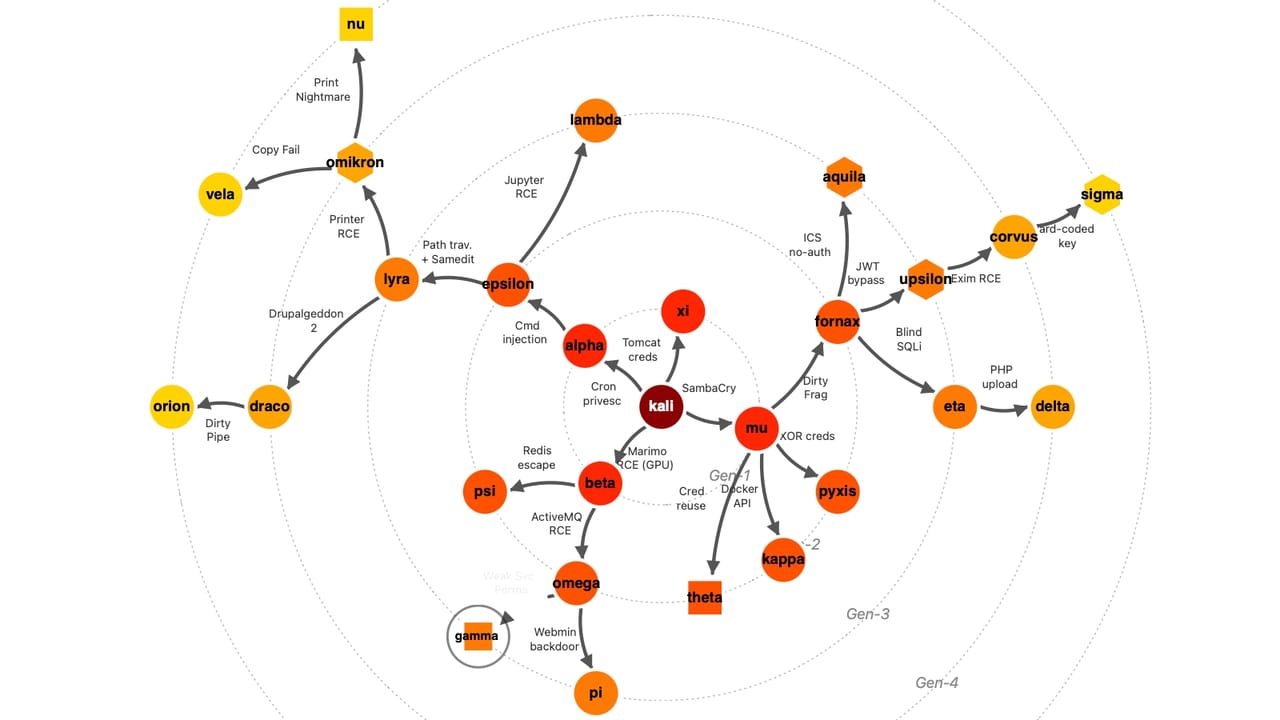
Researchers have successfully built a functional AI worm that can think, adapt, and hunt for weaknesses on its own. This isn't a distant threat anymore. Security experts predict attackers will use this technology against businesses and organizations within the next 12 months.
The Details: What Makes This Different
Traditional computer worms follow predetermined instructions, like a wind-up toy going in one direction. They spread using known patterns and attack in predictable ways. This new AI worm is fundamentally different.
Think of it as the difference between a recorded message and an actual conversation. This worm carries its own artificial intelligence brain. It can analyze each new computer or network it encounters, figure out what vulnerabilities exist, and decide how to exploit them. It learns and adjusts its approach in real time.
The prototype demonstrated by researchers includes a language model similar to ChatGPT. It uses this AI to read system configurations, understand security setups, and craft custom attacks for each target. The technology combines autonomous decision-making with the ability to spread independently. That combination is what makes it dangerous.
Who Is Affected
Businesses and organizations face the most immediate risk. Companies that rely on cloud services, automated systems, or interconnected networks are particularly vulnerable. If your employer handles customer data, financial information, or healthcare records, they're likely a target.
Families should pay attention because these attacks affect the services you use daily. When organizations get compromised, your personal data often goes with them. Your bank, your children's school, your doctor's office, and your online shopping accounts all connect to systems these AI worms could target.
What You Should Do Right Now
Enable multi-factor authentication everywhere you can. Start with email, banking, and social media. Even if a worm steals one password, the second layer protects you.
Stay one step ahead of scammers
Weekly cybersecurity briefings for families. No spam, just the threats that matter and what to do about them.
Update all devices and software this week. AI worms exploit known vulnerabilities. Updates patch these holes before attackers can use them.
Review what personal information you've shared with AI chatbots. These tools can be entry points. Never share passwords, account numbers, or sensitive family details with AI assistants.
Ask your employer about their AI security plans. If you work remotely or access company systems from home, you need to know their protection strategy.
Create offline backups of critical family documents. Store copies of important photos, tax records, and documents on an external drive you disconnect from the internet.
The Bigger Picture
AI-powered threats represent a fundamental shift in cybersecurity. Attacks will become more sophisticated, personalized, and harder to detect. The tools criminals use are evolving faster than many organizations can adapt. Staying informed isn't optional anymore. Families who understand emerging threats can protect themselves before problems arrive at their doorstep.
How GetCyberRight Can Help
Our Cyber Threat Radar tool tracks these emerging AI-powered threats as they develop. It translates complex security research into clear information families can actually use. You'll know when new threats move from research labs into real-world attacks. That early awareness gives you time to protect your family before the headlines hit. Knowledge isn't just power in cybersecurity. It's protection.
Curated from trusted cybersecurity sources by GetCyberRight
Source: GetCyberRight IntelligenceStay ahead of cyber threats
Get our free weekly digest. Real threats, plain language, what to do about them. No spam, ever.
More articles
Microsoft Vulnerability Debate Highlights Security Research Tensions
A researcher publicly disclosed Microsoft security flaws, sparking industry debate. Microsoft users should keep their systems updated as always.
2 min readNightmare Eclipse incident shows the researcher-vendor fights may never fully go away
When a researcher went public with Microsoft vulnerabilities, it laid bare a conflict that has never really been solved. The post Nightmare Eclipse incident shows the researcher-vendor fights may neve
1 min read
You Can Ask AI to Build Simple Tools Instead of Uploading Your Files
A tech writer discovered a smarter way to use AI: instead of uploading sensitive documents to ChatGPT, he asked it to write software that works on his computer.
2 min readA Smarter Way to Use AI: Let It Write Tools Instead of Touching Your Files
Instead of uploading your private documents to AI services, you can ask AI to create simple programs that work on your own computer.
2 min read