
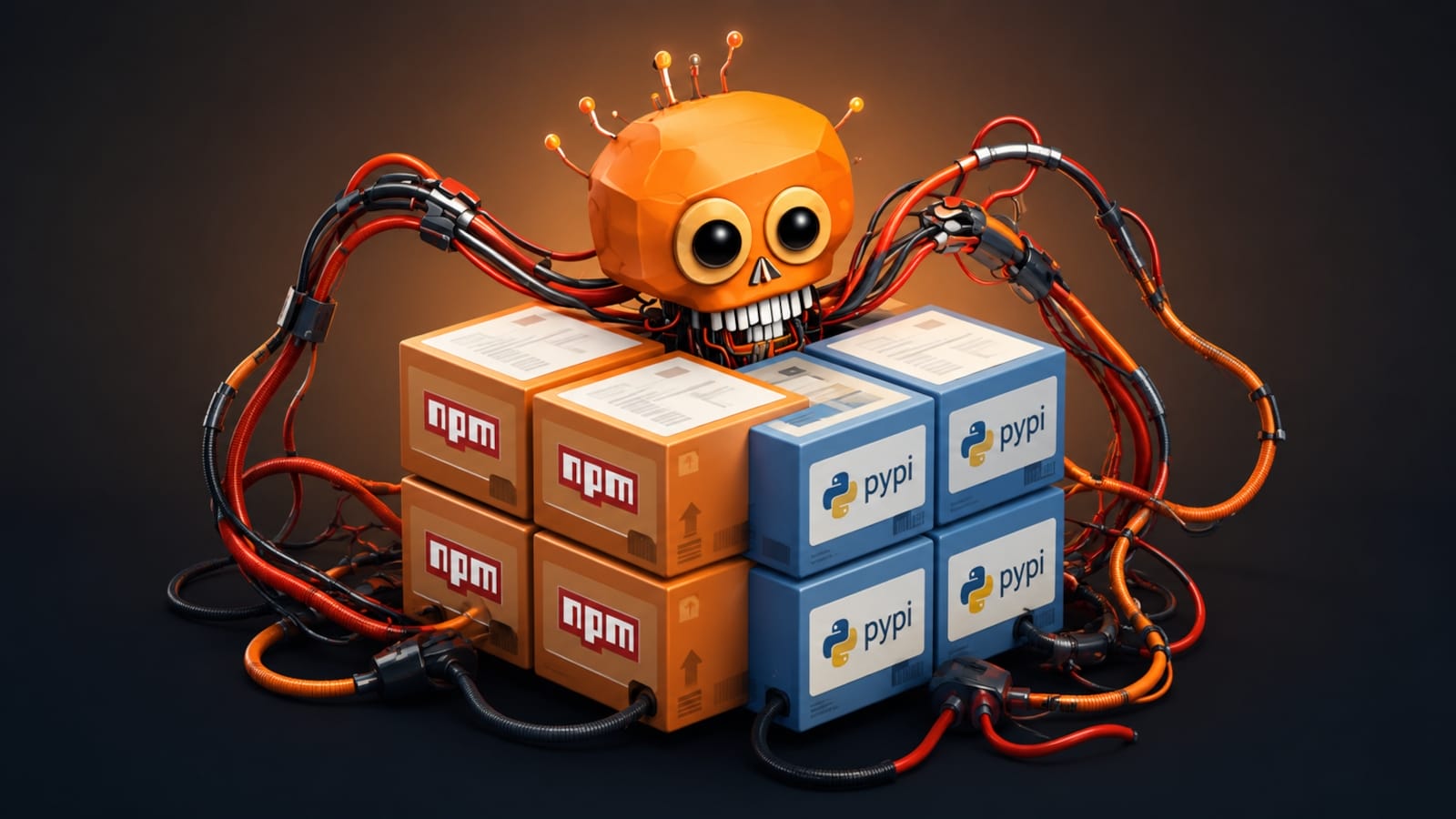
Fake Payment Apps Steal Information: Check If You're Affected
Scammers created fake versions of payment software to steal login credentials. If you or family members use payment apps, read this carefully.
Source
BleepingComputer
Original headline: Fake Paysafe, Skrill SDKs on NPM and PyPi steal credentials
Plain-English summary by GetCyberRight. Read the full report at the source above.
Scammers recently placed fake software packages on two popular platforms where developers download coding tools. These fake packages pretended to be legitimate tools for Paysafe, Skrill, and Neteller payment applications. When developers or users downloaded them, the fake software secretly stole their login credentials and other sensitive information. This primarily affects people who use Paysafe, Skrill, or Neteller for online payments, and especially anyone who downloaded software development tools for these services. If you or anyone in your family uses these payment platforms, your account credentials may have been stolen.
Even if you don't recognize these names, the scam shows how hackers disguise malicious software as legitimate apps to trick people.
Stay one step ahead of scammers
Weekly cybersecurity briefings for families. No spam, just the threats that matter and what to do about them.
If you use Paysafe, Skrill, or Neteller, take these steps immediately. First, change your password on these services right away. Second, check your account activity for any transactions you didn't make. Third, enable two-factor authentication if you haven't already. Fourth, if you've downloaded any developer tools or software for these services recently, run a virus scan on your computer. Fifth, monitor your bank accounts and credit cards linked to these payment services for unauthorized charges. This incident highlights a bigger lesson about downloading software and apps. Only download apps from official sources like the Apple App Store, Google Play Store, or directly from a company's official website. Be suspicious of tools or apps that seem unofficial or come from third-party sources. Before entering your password anywhere, double-check that you're on the real website or app. Teaching your family members, especially teens who may download lots of apps, to verify sources before downloading can prevent many security problems.
Curated from trusted cybersecurity sources by GetCyberRight
Source: BleepingComputerStay ahead of cyber threats
Get our free weekly digest. Real threats, plain language, what to do about them. No spam, ever.
More articles
Artificial Intelligence Now Running Cyberattacks on Its Own
Researchers documented the first AI system that planned and executed a ransomware attack without human guidance. This represents a new threat.
2 min readAI Runs First Fully Automatic Ransomware Attack: What Parents Need to Know
Researchers documented an AI system that carried out a complete ransomware attack by itself, raising concerns about future cyber threats.
2 min readFake Payment App Tools Stealing Information From Developers
Criminals created fake software tools that appeared to be from legitimate payment services like Paysafe and Skrill, targeting software developers with malware.
2 min read
Are Your Student's University Email and Files Safe? What College Families Need to Know
Hackers targeted email systems at U.S. and Canadian universities to steal passwords and spy on researchers. Students and faculty may be affected.
2 min read